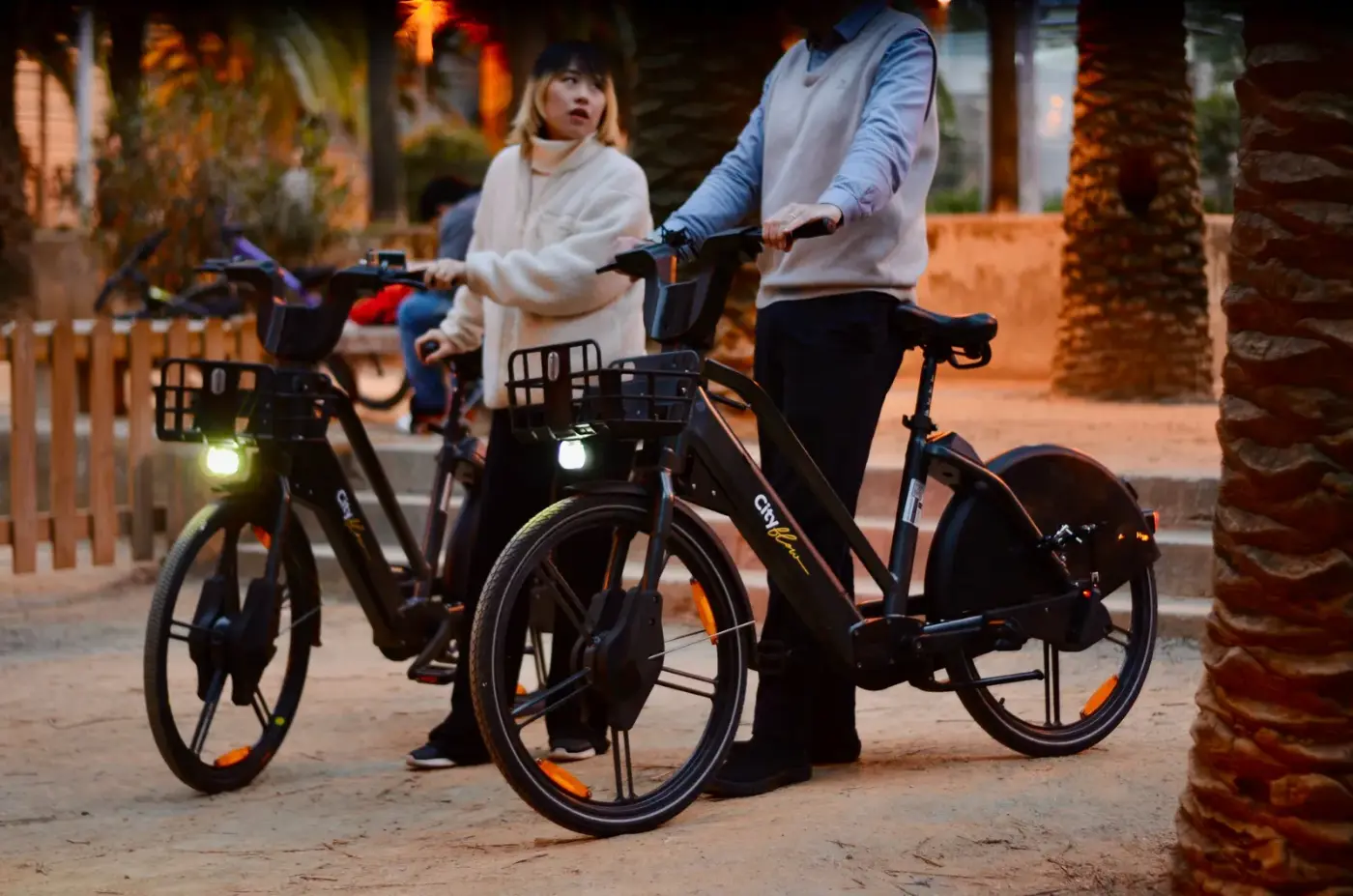
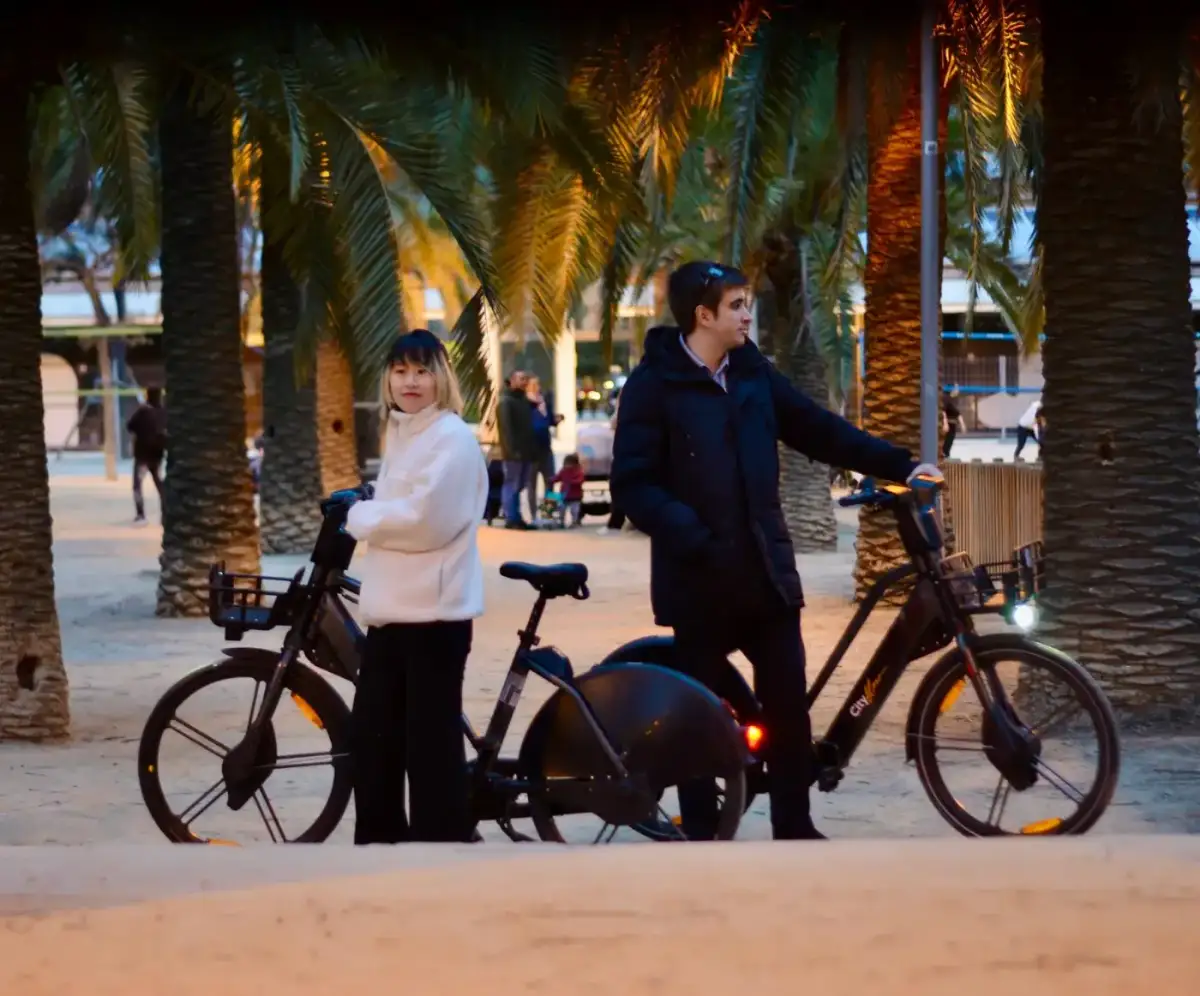
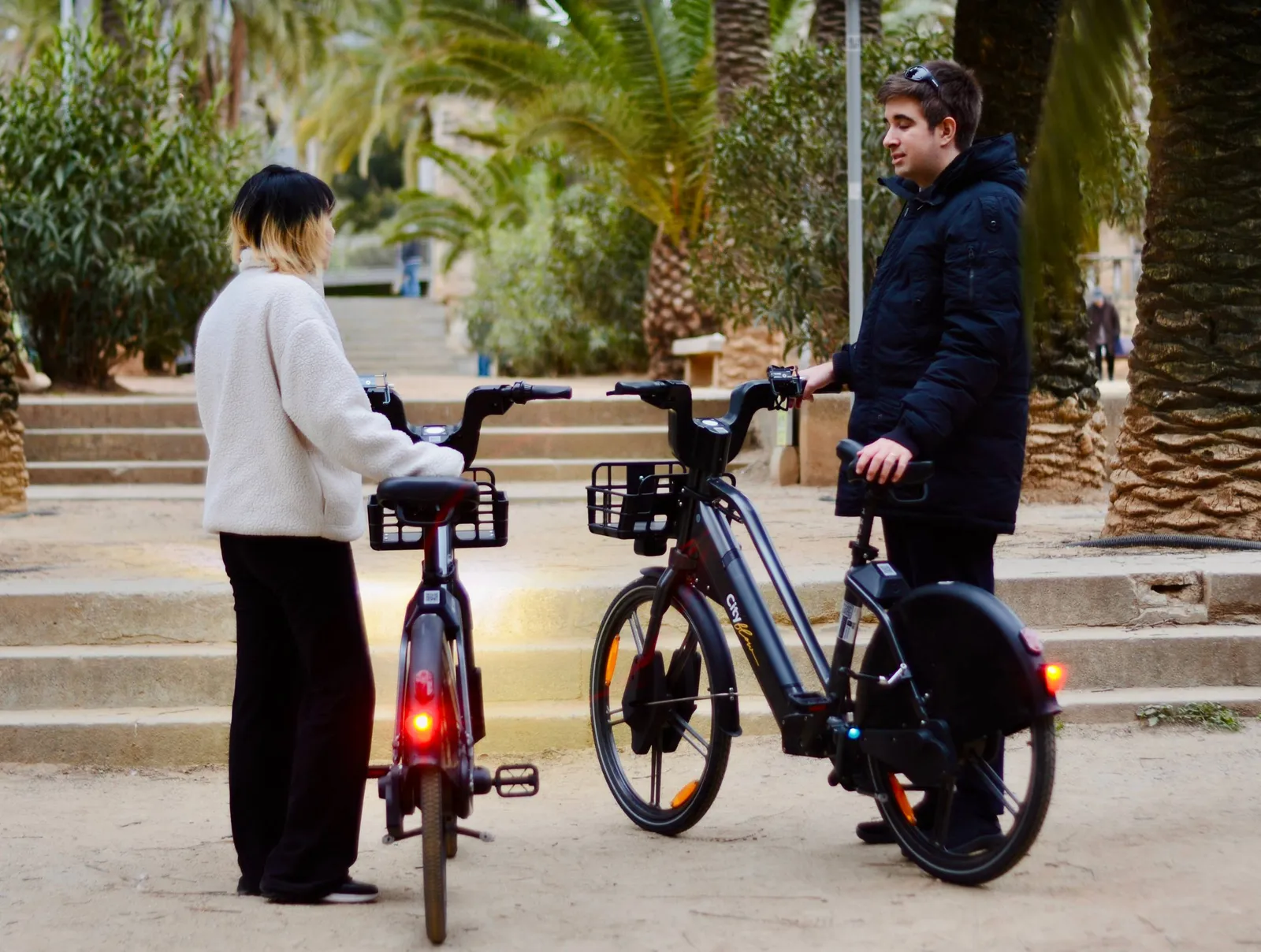
Direct answer: treating mobility as an amenity means including the electric bike in the stay, like the Wi-Fi: residents don't pay anything extra. With Cityflow, the building pays a fee, the fleet carries its brand and Cityflow runs it. At Be Casa by Greystar, the bikes are black with the Be Casa wheel disc.
Here's what changes with that approach and what you can see in a real building. Who pays, how many bikes you need and how it compares with buying them is in the guide to electric bikes for flex living.
What does it mean for mobility to be included, like the Wi-Fi?
That residents don't have to think about it. They don't pay every time they use it, they don't compare prices and they don't look for a rental elsewhere. The bike is in the building from day one, just like the connection.
That detail changes how it's used. What you pay for each time tends to be saved for particular occasions; what's included slips more easily into the routine: the shopping, work, the neighbourhood.
What changes for residents compared with sorting out a bike themselves?
Almost everything that feels like a chore. This table compares it from the resident's side:
| Bike included in the stay, with Cityflow | Sorting out a bike themselves | |
|---|---|---|
| Where it is | In the building | At a rental shop, or at home if they buy one |
| What they pay | Nothing extra | The rental (an e-bike on the street costs around €25 a day) or the purchase |
| Maintenance and charging | Cityflow | The resident or the shop |
| If something goes wrong | They message Cityflow and get a reply in their own language | Depends on the shop, or it's down to them |
| Whose brand it carries | The building's | The shop's, or none |
For people who stay for months, the difference adds up. What on a short break is a one-off rental would, on a long stay, be a recurring expense or a bike they bought and then have to take with them.
How does it work with Cityflow?
The building pays Cityflow a fee, on request, and residents use the bikes without paying anything extra. How you reflect it in the contract is up to you; there are practical ideas in electric bikes in flex living: contract and house rules.
The operation belongs to Cityflow from start to finish:
- Maintenance and repairs.
- Charging the batteries.
- Insurance and GPS on every bike.
- Resident support, in their own language.
Your team and your concierge do nothing with the bikes. Every bike carries your colours and your logo: for residents, it's a building service, not an outside provider's.
What journeys is an included electric bike good for?
Everyday ones around the city. A Cityflow bike on a full battery covers about 40 km and assists up to 25 km/h, the legal limit in Spain. That's enough to get to work, do the shopping or cross the city without arriving tired.
Cityflow bikes are built for shared use: they sleep outdoors, have GPS and a smart lock, and are insured.
What can you see at Be Casa by Greystar?
Be Casa is Greystar's flex-living brand. Its Cityflow bikes are black, with the Be Casa wheel disc, and the operation is Cityflow's from start to finish.
What a resident says sums it up better than a brochure. Rafa, a Be Casa resident, in a video published on the Cityflow website, talks about a place nearby where he goes to eat: “no tengo que coger el coche, está a 3 minutos en bici eléctrica” (In English: “I don't have to take the car, it's 3 minutes away by e-bike”).
That line says two useful things for any building. The bike is used for short, everyday journeys, not just for day trips. And, on that journey, it saves Rafa from taking the car.
Nera Living, also part of Greystar, appears among Cityflow's client logos. The full case is in Be Casa by Greystar.
Why does it matter that the bike carries the building's brand?
Because an included service has to look like it belongs to the building. On the tour, a prospective resident sees the bikes with your logo before asking about them. On the street, anyone who sees the bike sees your building.
And residents associate it with where they live, not with a rental company. If something goes wrong, they message Cityflow, but the bike is still their building's bike.
How do you get started?
- Tell Cityflow about your building: city, number of units and opening date if it hasn't opened yet.
- Cityflow suggests how many bikes to start with and the fee.
- The fleet arrives carrying your brand and Cityflow runs it from day one.
Cityflow operates in 9 provinces, the whole province and not just the capital: Barcelona, Madrid, Valencia, Seville, Málaga, Palma de Mallorca, Bilbao, Pamplona and Salamanca. If you want to include mobility in your building, talk to sales.
Frequently asked questions
What does mobility as an amenity mean in flex living?
That the electric bike is included in the stay, like the Wi-Fi, and residents use it without paying anything extra. With Cityflow, the building pays a fee and Cityflow runs the fleet carrying the building's brand.
Who maintains and charges the bikes?
Cityflow handles maintenance, repairs, charging, insurance, GPS and resident support in their own language. The building team does nothing with the bikes.
What journeys is the bike good for?
Everyday ones around the city. A Cityflow bike on a full battery covers about 40 km and assists up to 25 km/h, the legal limit in Spain.
Is there a flex-living building with Cityflow bikes?
Yes: Be Casa, Greystar's flex-living brand, has black Cityflow bikes with the Be Casa wheel disc. Rafa, a Be Casa resident, talks about it in a video published on the Cityflow website: “no tengo que coger el coche, está a 3 minutos en bici eléctrica” (In English: “I don't have to take the car, it's 3 minutes away by e-bike”).
NEXT STEP
Want a tailored proposal for your operation?
Tell us what you need and we'll get back to you within 24 hours with a plan adapted to your business.
Talk to sales