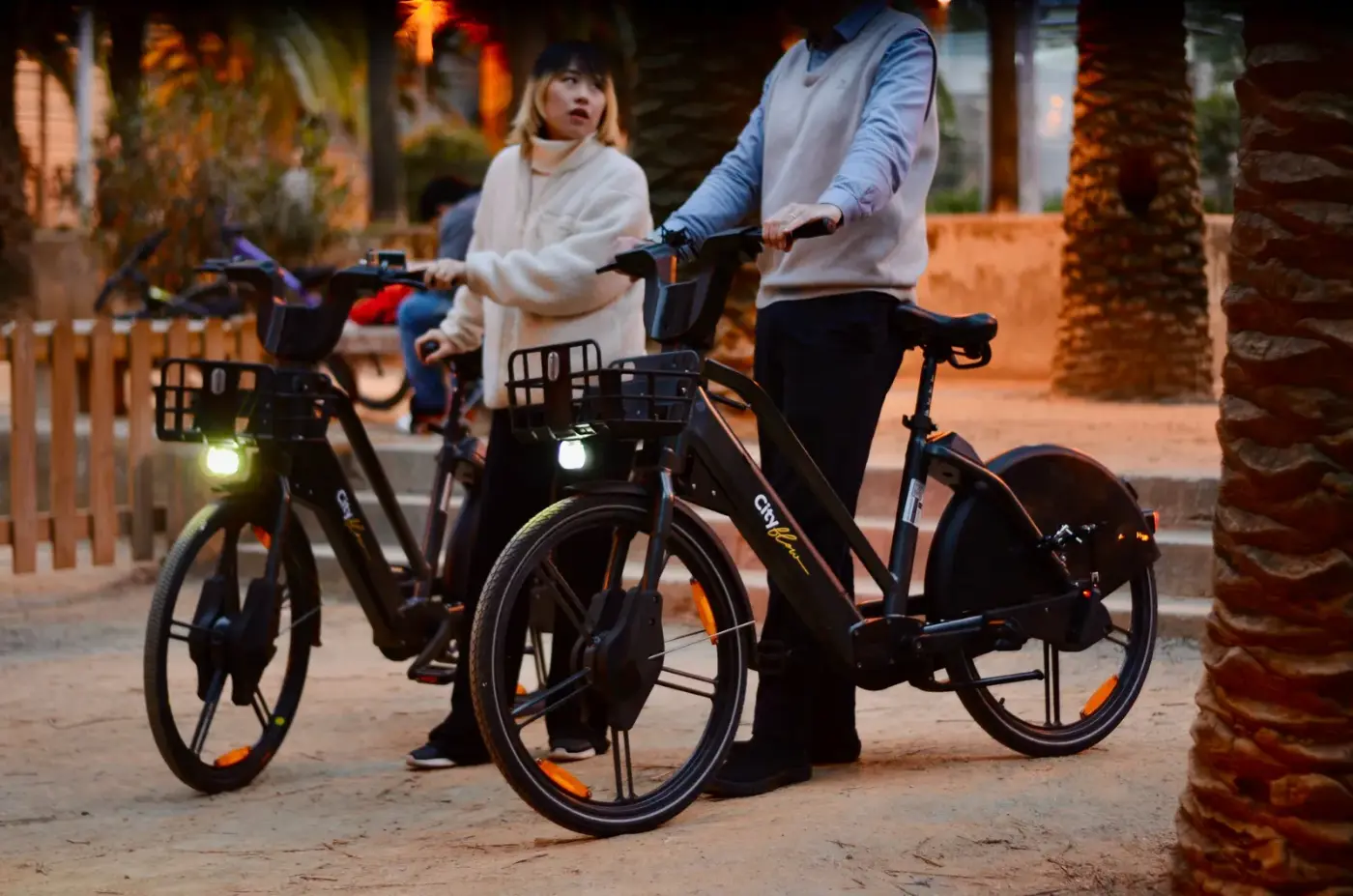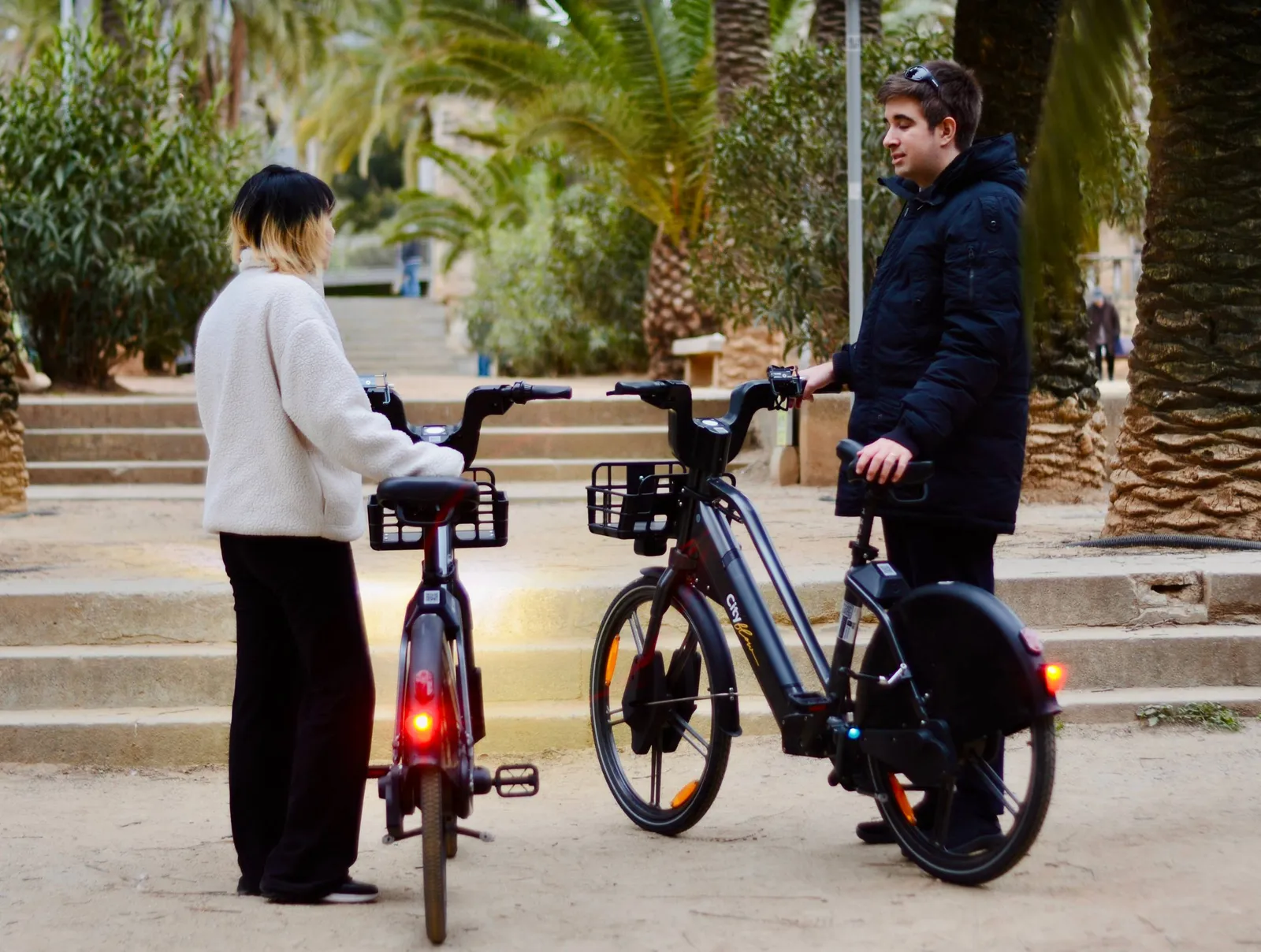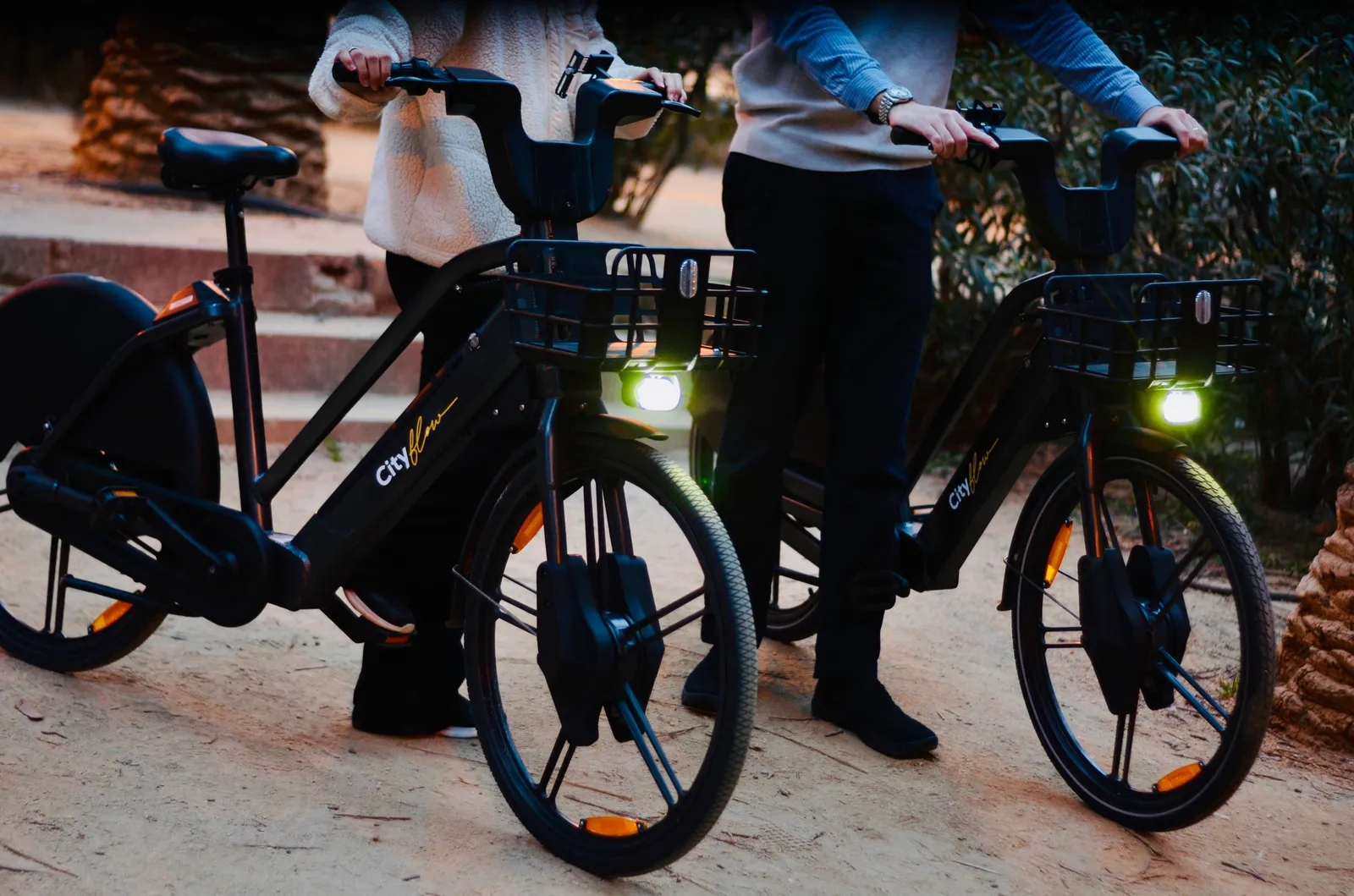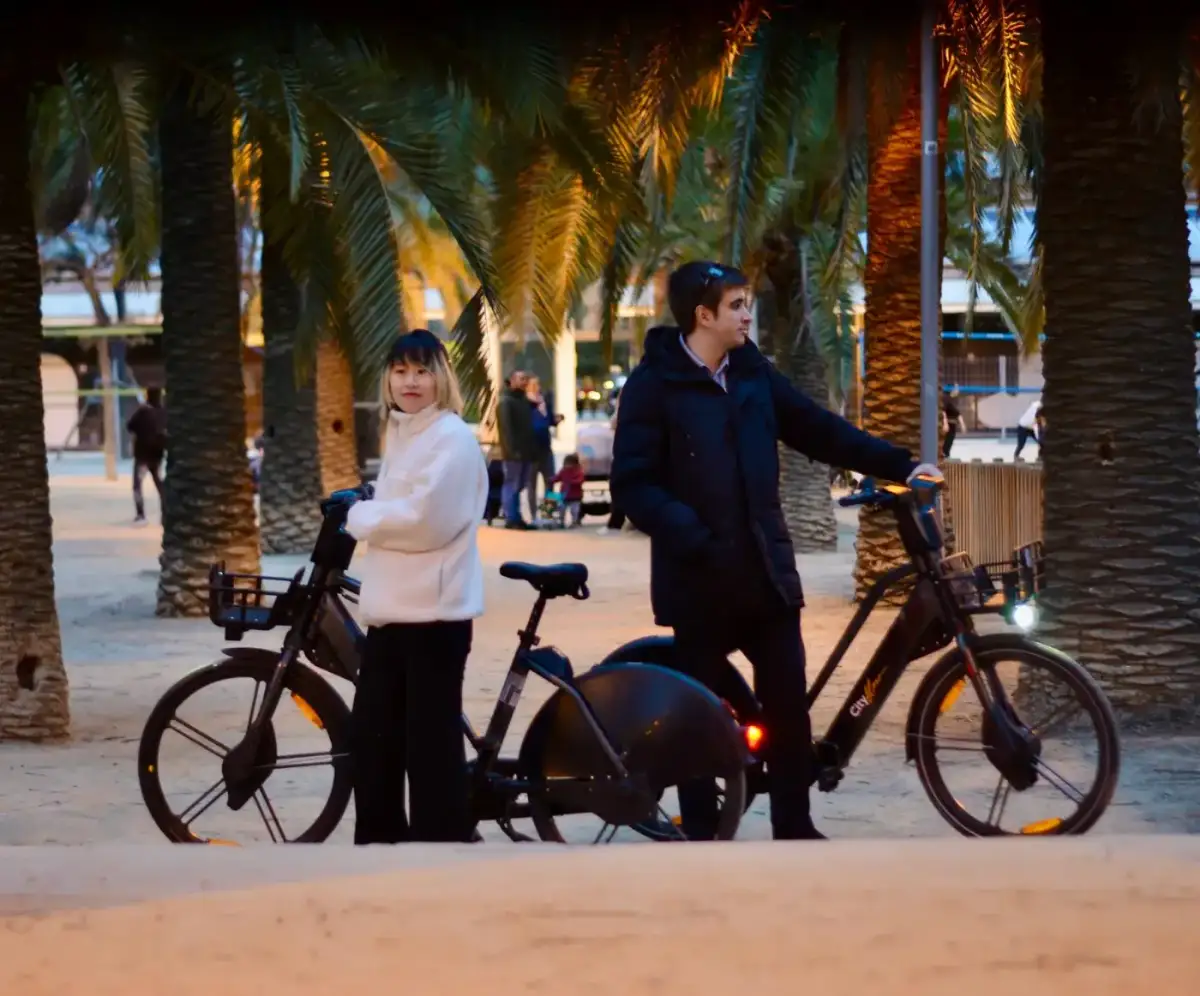
Direct answer: in flex living the building pays for the bike, so present it as an included service, just like the Wi-Fi. All you need is one line in the contract that refers to the house rules, a short set of usage rules and a welcome that says where the bikes are.
It works the same for a one-month stay as for a one-year stay: what changes is when you tell the resident. How the service works and who pays is in the guide to electric bikes for flex living. What follows are practical ideas, not legal advice: review the final wording of your contract with your legal adviser.
Do you need to put the bike in the contract?
It isn't mandatory, and how you reflect it is up to you. But it's worth mentioning, for three reasons:
- Nobody discovers it by chance three months in. If it's in the contract, the resident knows they have it.
- It makes clear that it's shared. It's a building service, not a bike assigned to each resident.
- You can refer to the usage rules, which you change whenever you need to without touching signed contracts.
The third is the important one. In the contract, the minimum. The details, in the house rules.
What goes in the contract and what goes in the rules?
| Topic | In the contract | In the house rules |
|---|---|---|
| That there are bikes | That the building offers shared electric bikes, subject to availability, as an included service | Where they are |
| Who pays | Included in the stay, at no extra cost | — |
| Who runs them | An external provider, Cityflow | Who to message if something goes wrong |
| Where they're returned | Refers to the rules | The building's exact parking zone |
| If a bike doesn't come back | Refers to the rules | The consequences set by the building |
| Changes | The building can change the number of bikes or the rules | The current version, with its date |
Two practical details. If your contract or your privacy policy lists the building's service providers, add Cityflow. And agree the consequences of not returning a bike with us before you write them down, so that what you put can actually be enforced.
Which rules stop bikes being left outside?
It's the most common worry in shared buildings: the resident who leaves the bike outside the building to have it handy the next day. These five rules, written this short, cover it:
- When you're done, the bike goes back to the building, to its parking zone. “Next to it” doesn't count.
- It doesn't go up to your apartment or into a storage room.
- It's shared: when you're not using it, it belongs to another resident.
- If you can't return it, because of a breakdown or the battery, message Cityflow before leaving it anywhere.
- On the bike, the city's traffic rules apply.
What you don't have to do is look for bikes. They have GPS and are insured: we know where each one is, even if it's outside the building. If one doesn't come back, we look for it, not your team.
What if there's no bike when a resident wants one?
It can happen: they're shared and there are times when the whole building heads out at once. That's why it's better to write “subject to availability” in the contract instead of promising one bike per resident.
If it happens often, let us know. The number of bikes isn't fixed: if they fall short, we add more. To start with a sensible number, tell us how many units the building has and what stays you offer.
What changes between a short stay and a long one?
The service, nothing: the building pays and residents use the bikes while they live there. What changes is when and how you tell them:
- Before they arrive. In the welcome email, with a photo of the bikes. For long stays, in the contract as well.
- On day one. Show them where they are. In a one-month stay, the first week is a quarter of their stay: if they don't find out about them on day one, they'll hardly use them.
- During the stay. For long stays, a reminder whenever the rules or the parking zone change. Someone who moved in six months ago doesn't reread the welcome.
- When they leave. Remind them to leave the bike in the building before handing in the keys.
How do you explain it in the welcome?
A short message in the resident's language. For example:
“Your stay includes the building's electric bikes. They're in [parking zone]. Use them to get around the city and, when you're done, leave them in the same place. If something goes wrong, message Cityflow, who maintain them: they'll reply in your language.”
Put the same on a sign next to the bikes, for anyone who moves in mid-month and didn't read the email. And if there's only a concierge at night, make sure they know two things: where each bike goes and that, if there's a problem, the resident messages Cityflow.
The evening matters. Across our whole accommodation network, the median rental lasts 8.3 hours and the busiest time for returns is 7 pm to 9 pm: the bike gets used during the day and comes back as evening falls. The figures, with their methodology, are in our operating data.
How do you get started?
- Tell us about your building: city, number of units, type of stays and opening date if it hasn't opened yet.
- We suggest how many bikes to start with and the fee.
- You add the line to the contract, the rules and the welcome message. The tables in this article are a good starting point.
- We put the bikes in place carrying your building's brand. From then on, the operation is ours.
The full service is on electric bikes for flex living. If you want to see it for your building, talk to sales.
Frequently asked questions
Do I have to include the bikes in the resident's contract?
No. How you reflect it is up to you. The practical approach is one line in the contract that mentions them as an included service, with the details in the house rules.
Does the resident pay anything?
No. The building pays, with a fee to Cityflow on request. For the resident, it's one more service included in the stay.
What happens if a resident doesn't return the bike to the building?
The bikes have GPS and are insured: we look for it, not your team. The consequences for the resident are set by the building in its rules; agree them with Cityflow first.
Does anything change between short and long stays?
The service doesn't. What changes is when you tell them: before they arrive, on the first day and, in long stays, whenever the rules change.
NEXT STEP
Want a tailored proposal for your operation?
Tell us what you need and we'll get back to you within 24 hours with a plan adapted to your business.
Talk to sales