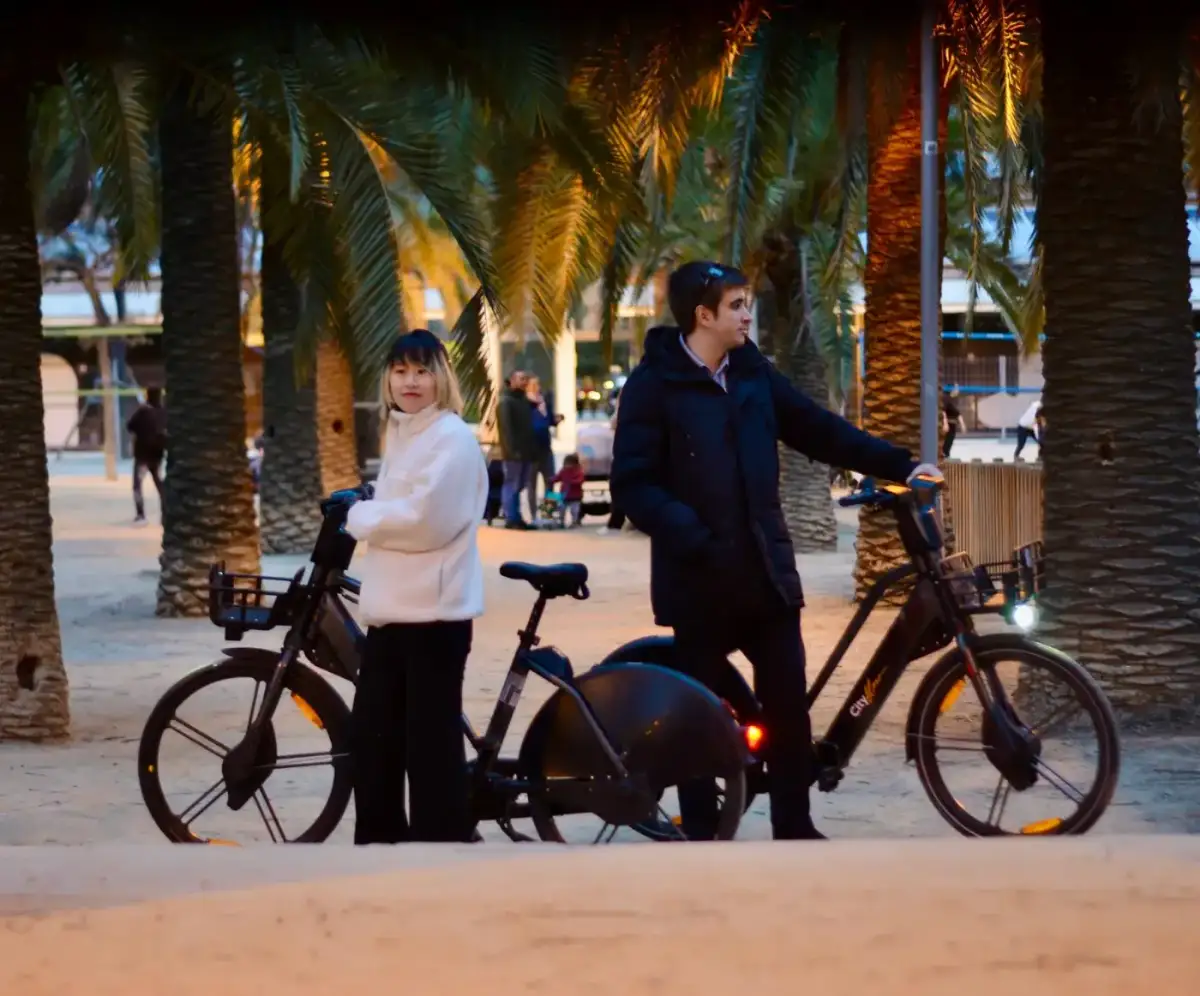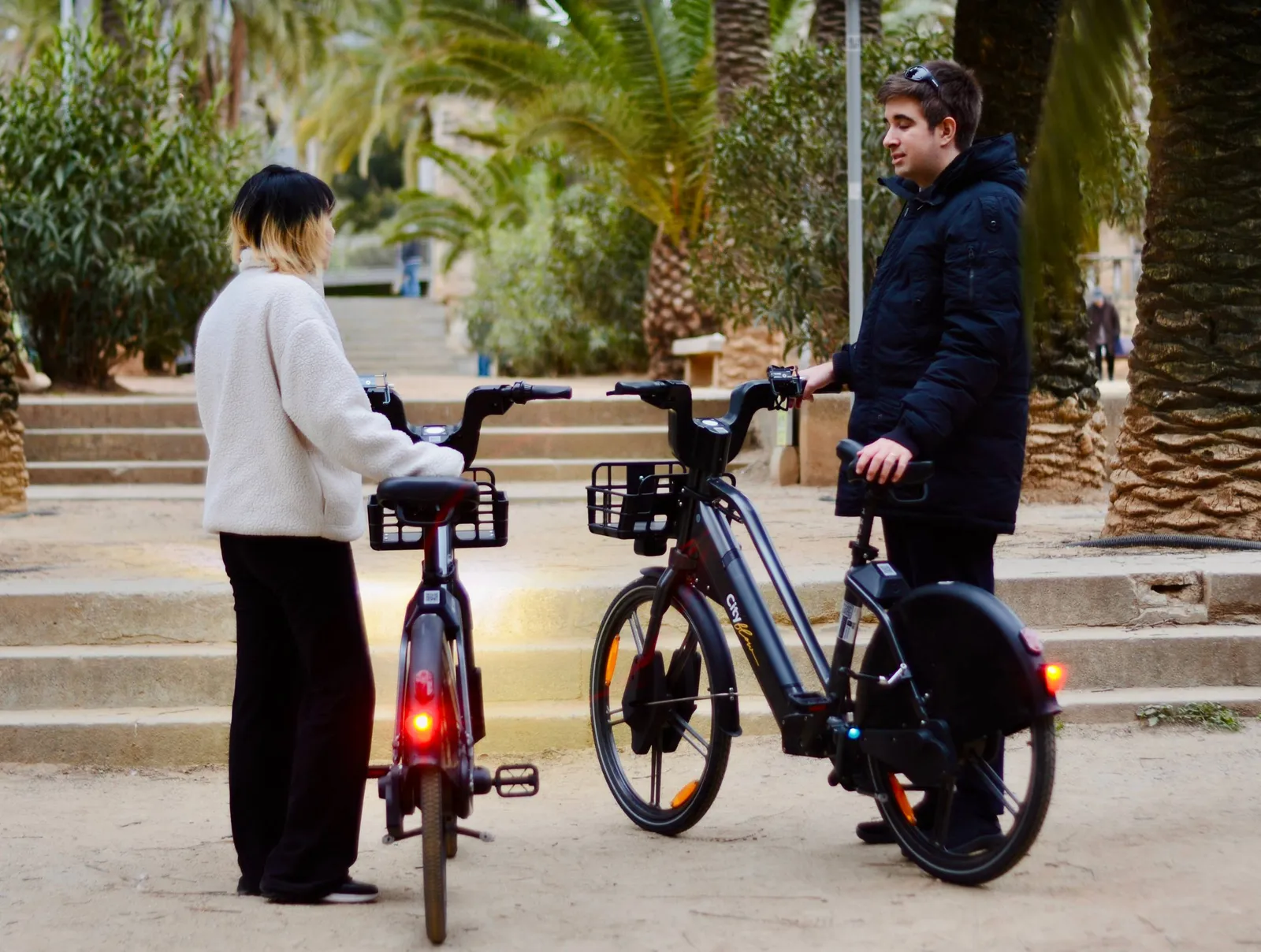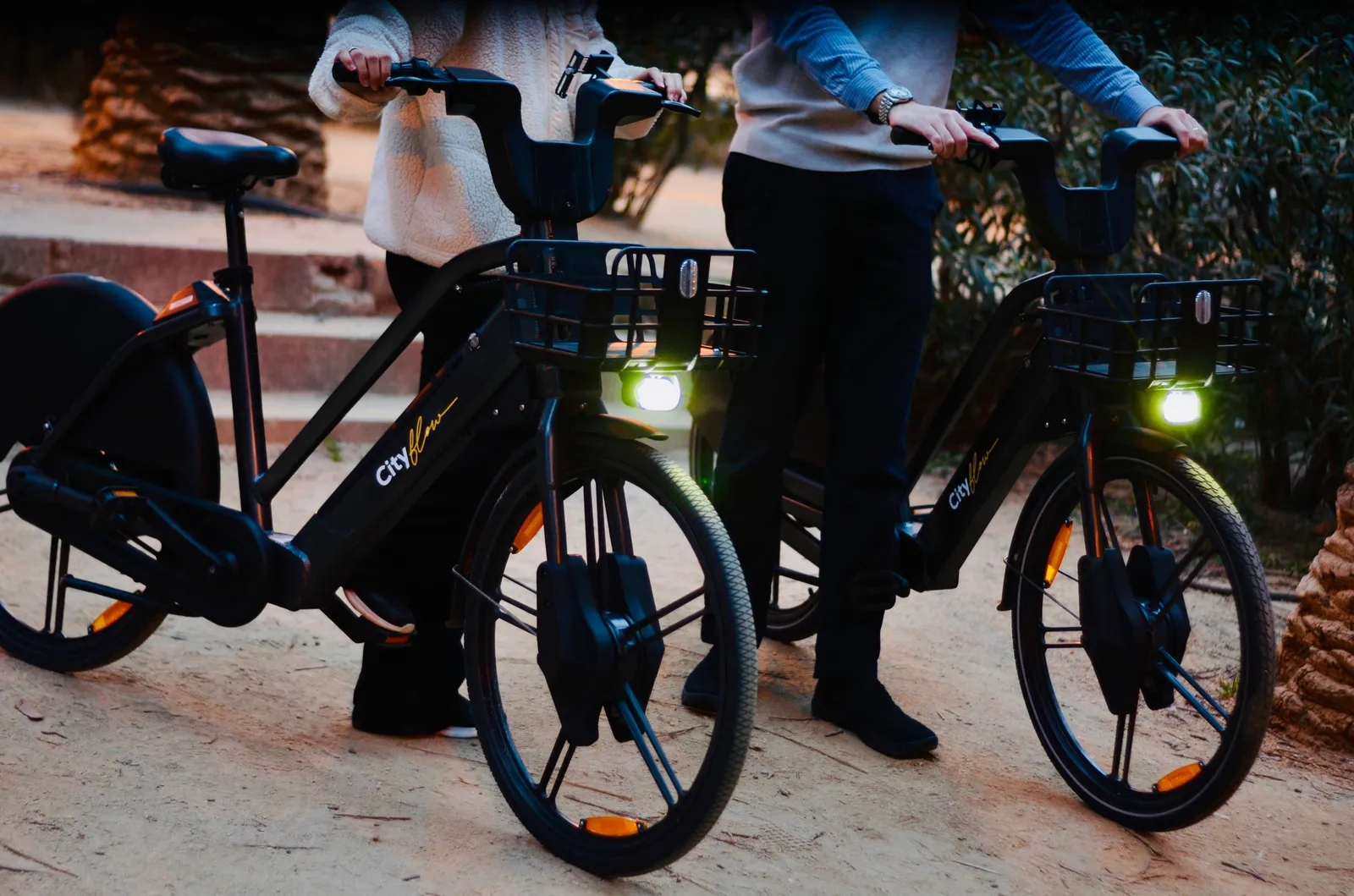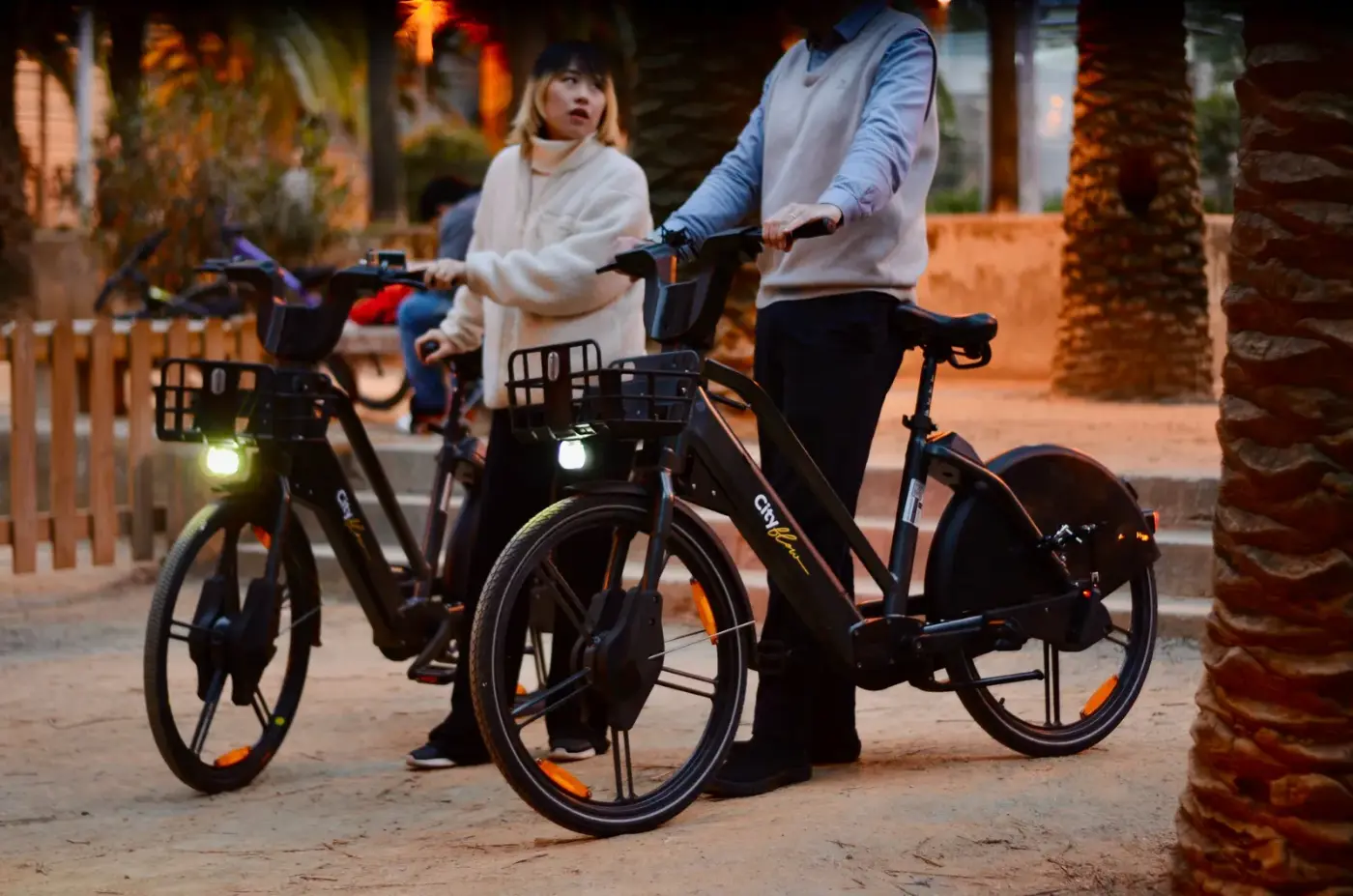
Direct answer: in flex living, the building pays Cityflow and its residents use the electric bikes, which carry the building's brand. Cityflow handles the rest: maintenance, charging, insurance, GPS and resident support. Your team doesn't repair, charge or deal with bike issues.
Below are the questions a flex-living operator asks before deciding, with short answers. The short version is on electric bikes for flex living.
How does a bike fleet work in a flex-living building?
The bikes live in the building. A resident picks one up, gets around the city and returns it to the building. Every bike carries your brand, not a rental operator's.
The work is split like this:
- Cityflow: maintenance, charging, insurance, GPS and resident support.
- The building: decides where the bikes are parked and how to introduce them to its residents.
Who pays, and how much does it cost?
The building pays. It's a fee to Cityflow, on request: we quote it based on your building's numbers. For residents, the bike is part of living there.
Why does it make sense for the building to pay? Because the bike becomes something you sell. It appears on your website, on the tour and in the welcome. A resident comparing two similar buildings sees a difference they can use every day, outside the building, not just in the common area.
Buy bikes, send residents to a subscription or have Cityflow run them?
These are the three options that usually end up on the table. This is what changes with each one:
| Buying your own bikes | Subscription or public bike share | Cityflow | |
|---|---|---|---|
| Who pays | The building | The resident, on their own | The building |
| What the building pays | The bikes, the locks and the repairs | Nothing | A fee, on request |
| Maintenance and charging | Your team or a workshop | The provider | Cityflow |
| Insurance and GPS | You take it out and manage it | Depends on the provider | Cityflow |
| Resident support | Your concierge | The provider | Cityflow |
| Brand on the bike | Yours | The provider's | Yours |
| Is it a building amenity? | Yes, but you run it | No: it's an outside service | Yes, and you don't run it |
How many bikes does a building need?
It depends on the number of units, the type of stay and how your residents get around, not on a table. Tell us how many units the building has and what stays you offer, and we'll tell you how many bikes to start with. If they fall short, we add more.
How do you tell your residents?
An amenity nobody knows about doesn't get used. Three places where it should appear:
- On the building's website and on the tour, with the bikes in sight and carrying your brand.
- In the welcome: where they are, how to return them and who to message if something goes wrong.
- Next to the bikes: a short sign with the same three things, for anyone who moves in mid-month.
How much work does it create for the building team?
No repairing, no charging, no dealing with bike issues. No rounds to check batteries and no calls to the workshop: we do that. If a resident has a question or a problem with a bike, they message us, not your concierge.
What the building does decide is where the bikes are parked and what rules you tell residents when they arrive.
What if a resident keeps the bike or leaves it outside?
It's a common worry in shared buildings. The bikes have GPS: we know where each one is. If one doesn't come back, we look for it, not your team. And they're insured.
It helps a lot to make three things clear from day one:
- The bikes are shared: when you're done, you return them to the building.
- Exactly where they're parked.
- Who to message if something goes wrong: Cityflow.
Does it work for short and long stays?
Yes. Since the building pays, residents use them for as long as they live there, whether they stay a month or a year. The practical thing is to mention it in the welcome and, if you like, in the contract as part of what the stay includes. That way nobody stumbles across it three months in.
What do residents use the bike for?
To get around during the day. Across our whole accommodation operation (hotels, residences and flex living):
- The median rental lasts 8.3 hours.
- Most returns happen between 7 pm and 9 pm.
- 38.8% of users rent again.
- In 2026, bookings are 6.1 times higher than in the same period of 2025.
These are figures for the whole network, not just flex living. You'll find them, with their methodology, in our operating data.
What should you ask any provider?
Before signing, these five questions tell you whether you're buying bikes or a service:
- Who charges, repairs and insures the bikes?
- Who does the resident message if something goes wrong: the concierge or the provider?
- What happens if a bike doesn't come back to the building?
- Does the bike carry the building's brand or the provider's?
- Who pays: the building, the resident or both?
What has Be Casa by Greystar done?
Be Casa, Greystar's flex-living brand, has Cityflow electric bikes in its buildings carrying the Be Casa brand. Greystar also works with Cityflow at Nera Living, its other flex-living brand, and at Canvas, its student residence brand. One tip that comes from there: make the bikes visible from the entrance. A bike with the building's brand at the door sells itself on every tour. Read the case in Be Casa by Greystar.
How do you get started?
- Tell us about your building: city, number of units, types of stay and opening date if it hasn't opened yet.
- We suggest how many bikes to start with and the fee.
- We put your branded bikes in place. From then on, the operation is ours.
Cityflow operates in 9 Spanish provinces, with a page of its own for each capital: Barcelona, Madrid, Valencia, Seville, Málaga, Palma de Mallorca, Bilbao, Pamplona and Salamanca. If your building is in one of those provinces, talk to sales.
Frequently asked questions
Who pays for the bikes in a flex-living building?
The building, through a fee to Cityflow, on request. Residents use them as part of their stay.
What does the building team have to do?
Decide where the bikes are parked and tell residents about them. Maintenance, charging, insurance, GPS and resident support are Cityflow's job.
What happens if a bike doesn't come back to the building?
The bikes have GPS and are insured. If one doesn't come back, we look for it, not your team.
Which provinces is Cityflow in?
In nine Spanish provinces: Barcelona, Madrid, Valencia, Seville, Málaga, the Balearic Islands (Palma de Mallorca), Biscay (Bilbao), Navarre (Pamplona) and Salamanca. The whole province, not just the capital.
NEXT STEP
Want a tailored proposal for your operation?
Tell us what you need and we'll get back to you within 24 hours with a plan adapted to your business.
Talk to sales