Direct answer: on a long flex-living stay, the amenities that matter are the ones residents use every week: somewhere to work, a laundry that works, some sense of community, being able to live with a pet and a way to get around the city. Of the five, mobility is the one that creates the least work for the building if Cityflow runs it.
What follows are practical tips for each one, not fixed recipes: every building and every resident is different. How the bike service works, who pays and how it compares with buying the bikes is in the guide to electric bikes for flex living.
Why do different amenities matter on a long stay?
Because people who stay for months don't choose by the photo, but by day-to-day life. On a short stay, first impressions count: the terrace, the pool, the lobby. On a long one, what counts is what gets used on any given Tuesday.
The useful question is which of your services residents will use every week and which they'll only see on the tour. The five below belong to the first group.
1. Is there somewhere to work outside the room?
For people who work remotely, it's the first thing they look at. A long table in the lobby isn't enough if you have to spend the working day there.
What usually makes the difference:
- Chairs you can sit in for a whole day and sockets within reach.
- A good connection in the common areas too, not just in the apartments.
- Some closed space for calls, even a small one.
- Clear rules if spaces have to be booked.
2. Can the laundry be used without waiting?
On a stay of several months, the laundry gets used every week, and a broken machine is noticed straight away. What matters is that residents know when one is free, that the instructions are in plain sight and that a breakdown gets fixed quickly. If there are bookings, the system should be simple.
3. Is there a community, or does everyone keep to themselves?
Many people arrive alone in a new city for a long stay. Getting to know other residents matters more than it seems, even if it doesn't appear on the building's website.
Simple, regular activities usually work better than a big event every now and then: a breakfast, a shared dinner, an outing around the neighbourhood. What doesn't work is organising them without anyone on the team taking charge of keeping them going.
4. Can you live there with a pet?
For people with a dog or a cat, it's a yes or no that decides things before the price does. If you accept pets, make it easy: clear rules from the contract onwards, where they're allowed to go and something to pick up after them and clean. If you don't accept them, say so from the start and you'll save yourself viewings that don't end in a signature.
5. How do residents get around the city?
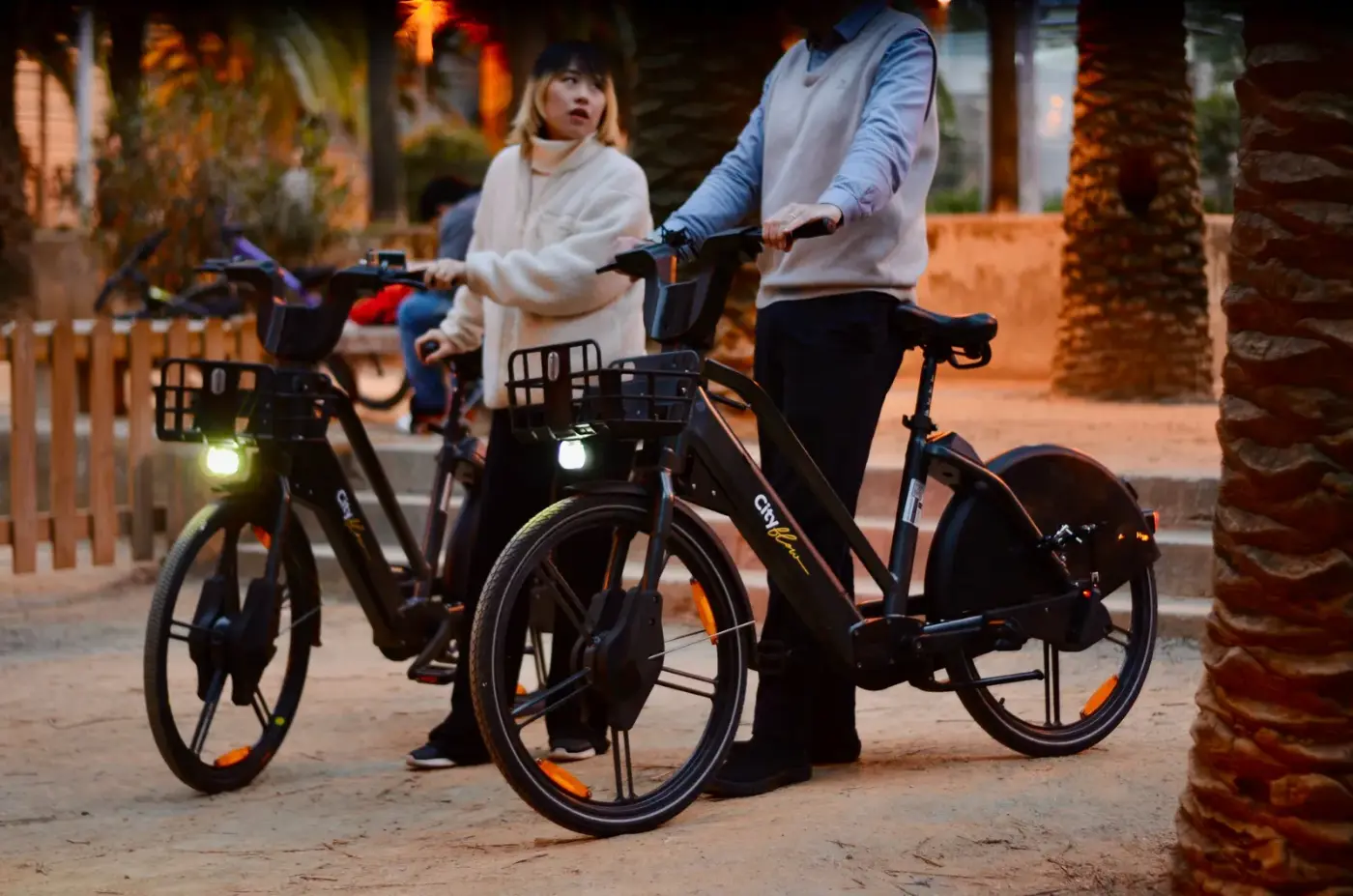
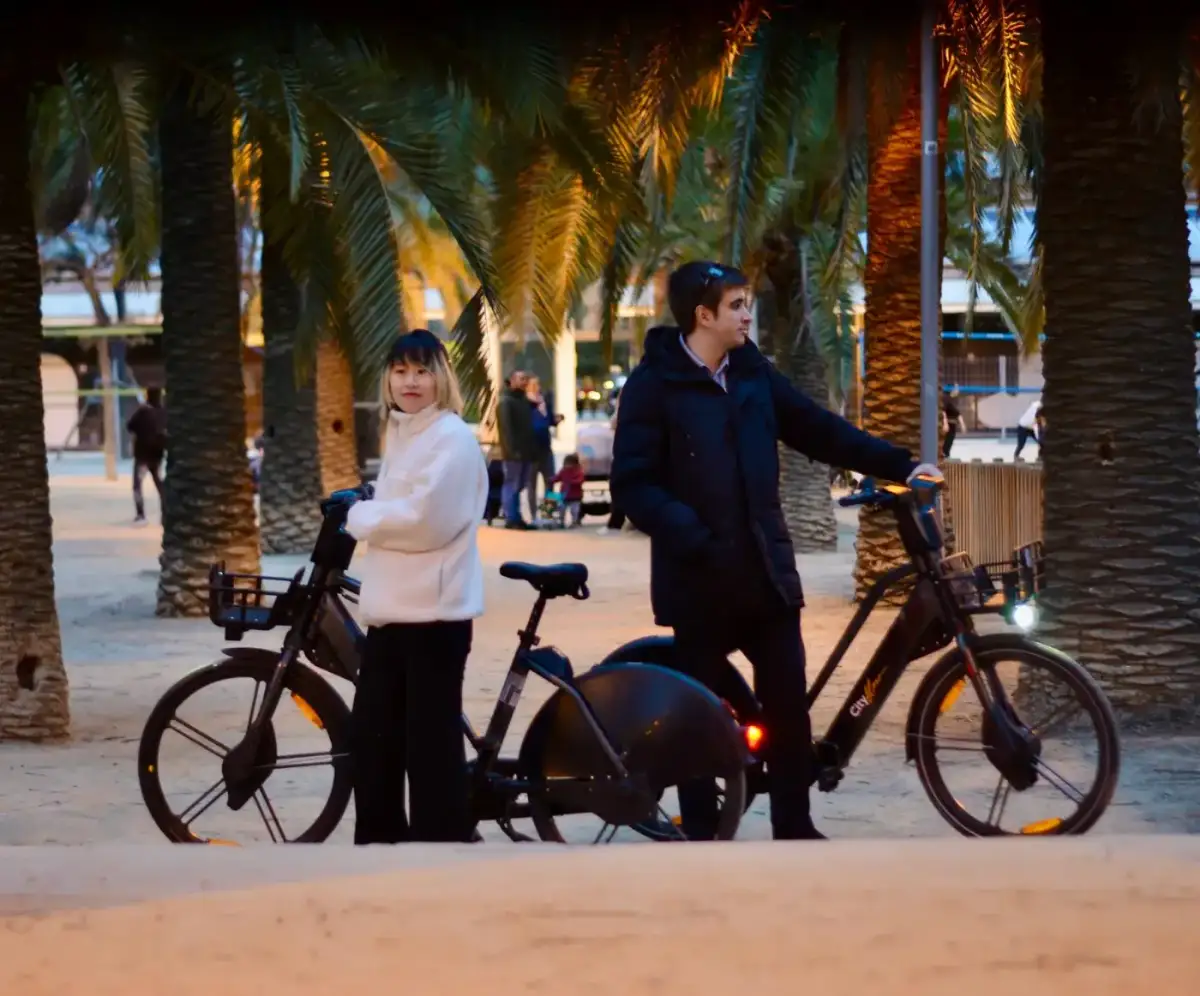
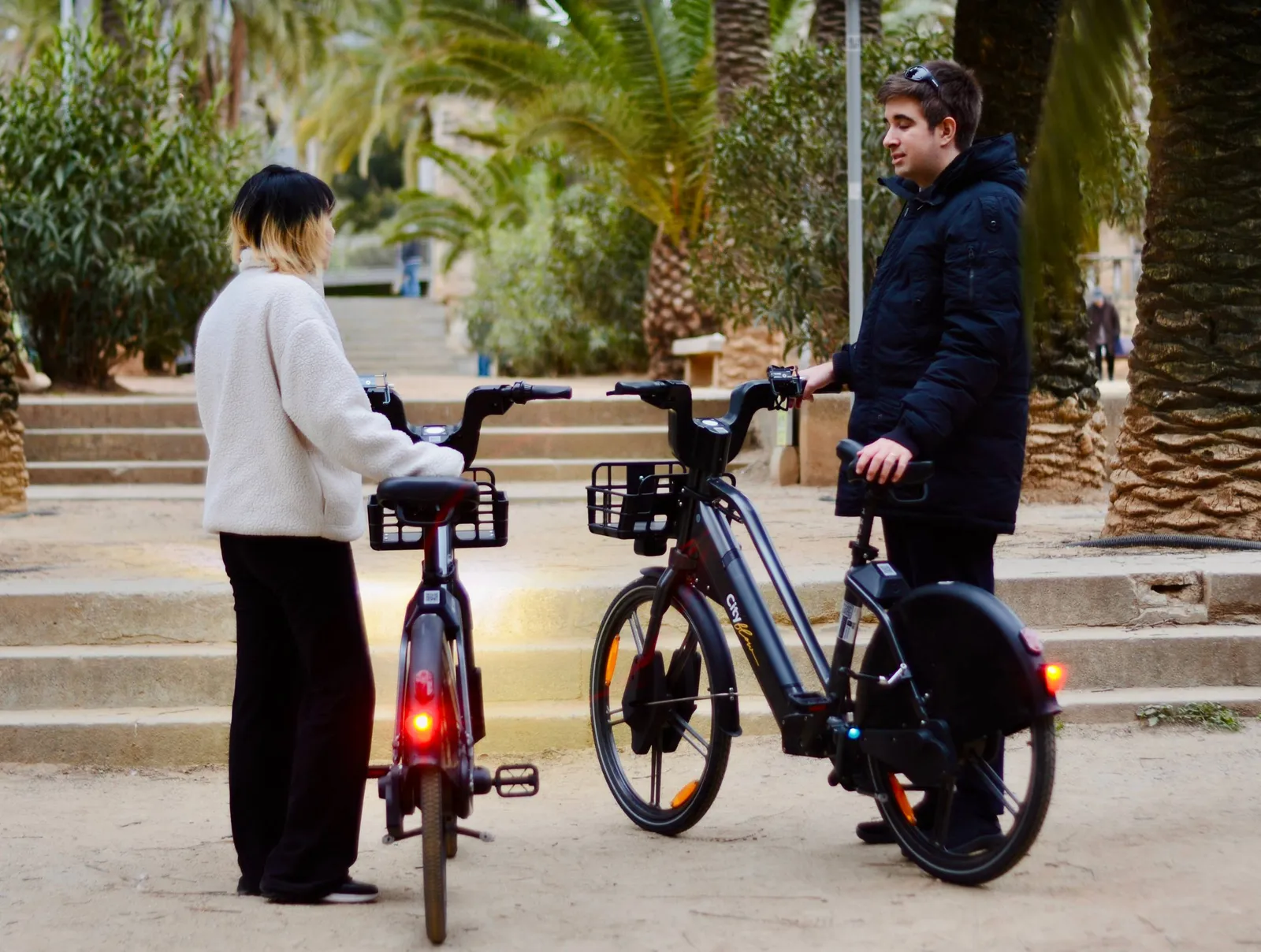
It's the only one of the five that's used outside the building. Someone who lives in a building for months goes to the shops, to work or somewhere in the neighbourhood many times over. If they have an electric bike included in their stay, it becomes part of their routine, not just their first weekend.
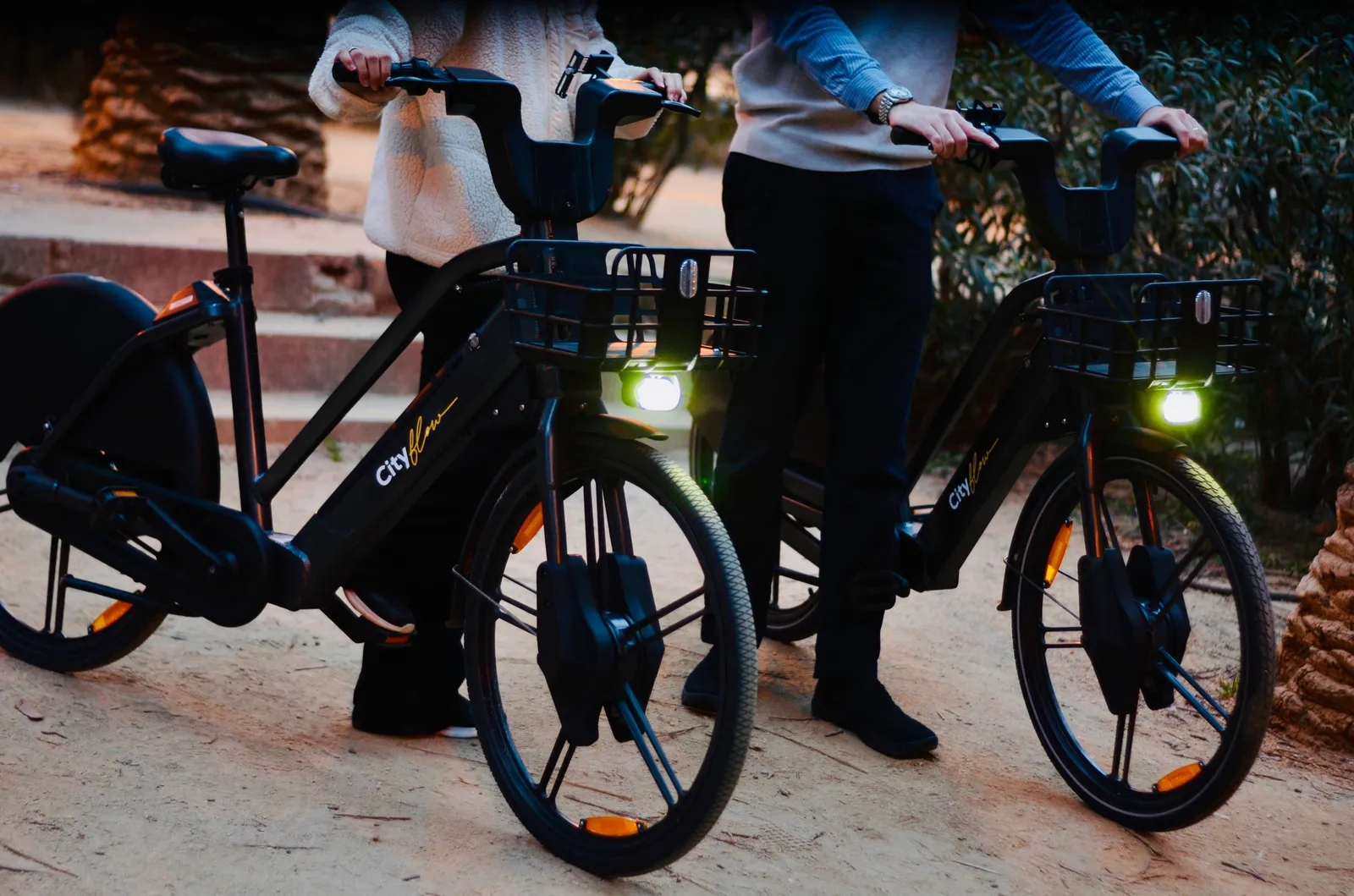
With Cityflow, the building pays a fee and residents use the bikes without paying anything extra, as one more service, just like the Wi-Fi. The bikes carry the building's brand, so they're seen at the entrance and on the street.
On a long stay, it matters that the service gets used more than once. Across Cityflow's whole accommodation network (hotels, residences and flex living), 38.8% of users rent again. You'll find the figure, with its methodology, in the operating data.
How much work does each amenity create for the building team?
They all ask something of your team, but not the same thing. This table sums up what each one usually requires:
| Amenity | What it asks of the building team |
|---|---|
| Workspace | Cleaning, furniture, connectivity and, if there are rooms, managing bookings |
| Laundry | Keeping the machines working, reporting breakdowns and enforcing the rules |
| Community | Someone to organise activities and keep them going over time |
| Pets | Rules, getting along between neighbours and cleaning the common areas |
| Electric bikes run by Cityflow | Deciding where they're parked and telling residents |
Why is mobility the one that creates the least work?
Because, if Cityflow runs it, the operation doesn't go through your team. Maintenance, repairs, charging, insurance and GPS are Cityflow's job. If a resident has a problem with a bike, they message Cityflow and get a reply in their own language; your concierge isn't involved.
The bikes have GPS and are insured: if one doesn't come back to the building, Cityflow looks for it, not your team. All the building has left to decide is where they're parked and which rules to tell residents. What to put in the contract and the house rules is in electric bikes in flex living: contract and house rules.
How do you get started?
- Review your amenities with one question: which ones will residents use every week?
- If mobility is missing, tell Cityflow about your building: city, number of units, types of stay and opening date if it hasn't opened yet.
- Cityflow suggests how many bikes to start with and the fee. If they fall short, more are added.
- The bikes arrive carrying your brand and, from then on, the operation is Cityflow's.
The full service is on electric bikes for flex living. If you want to see it for your building, talk to sales.
Frequently asked questions
Which amenities matter most on a long flex-living stay?
The ones residents use every week: somewhere to work outside their room, a laundry that works, some sense of community, being able to live with a pet and a way to get around the city.
Why is mobility the amenity that creates the least work for the building?
Because, if Cityflow runs it, maintenance, repairs, charging, insurance, GPS and resident support are Cityflow's job. All the building has left to do is decide where the bikes are parked and tell residents about them.
Do residents pay anything to use the bikes?
No. The building pays Cityflow a fee, on request, and residents use the bikes without paying anything extra, as one more service included in the stay, just like the Wi-Fi.
What happens if a bike doesn't come back to the building?
Cityflow bikes have GPS and are insured. If one doesn't come back, Cityflow looks for it, not the building team.
NEXT STEP
Want a tailored proposal for your operation?
Tell us what you need and we'll get back to you within 24 hours with a plan adapted to your business.
Talk to sales