Direct answer: having bikes in a student residence brings five challenges: peak times, many languages, misuse and theft, new students every academic year and complaints ending up at reception. With an operator like Cityflow, the operation and student support stop being your team's work.
The payment models and how to choose between them are in the guide to electric bikes for student residences.
What are the five challenges, at a glance?
| Challenge | What Cityflow does | What the residence does |
|---|---|---|
| Peak times | Sizes the fleet with you and adds bikes if it falls short | Says how many beds it has and how its students get around |
| Many languages | Supports each student in their own language | Sign and welcome, in at least Spanish and English |
| Misuse, theft and bikes left out | GPS, smart lock, insurance and repairs | Makes two rules clear from day one |
| New students every year | Supports each new student directly | Tells them before they arrive and at the start of the year |
| Complaints at reception | Sorts out breakdowns, rentals and charges with the student | One single line: “message Cityflow” |
Challenge 1: are there bikes for everyone when they all head out at once?
Yes, if the fleet is sized according to how many students want a bike at the same time, not how many trips are made in a day. Students don't spread themselves across the day: they head off to class and come back at similar times.
Cityflow's data points the same way. Across its whole accommodation network (hotels, residences and flex living), most returns happen between 7 pm and 9 pm and the median rental lasts 8.3 hours. These are figures for the whole network, not just residences, and you'll find them, with their methodology, in the operating data.
For a residence, that means the bike doesn't do a short trip and come back for the next one: it goes out in the morning and usually doesn't come back until the evening.
How Cityflow solves it: the number of bikes is decided by your beds and by how your students get around, not by a table. If they fall short, more are added. Charging is Cityflow's job too, not reception's, and on a full battery the bike covers about 40 km.
Challenge 2: how do you support students from many countries?
By letting each student message Cityflow in their own language, instead of reception. If the bike fails and the student has to explain it to a receptionist in a language they don't speak well, the problem drags on. With Cityflow, they message directly and get a reply in their own language.
What remains the residence's job is its own texts: the sign next to the bikes and the welcome. Put them in at least Spanish and English, with short sentences, the price for your model and who to message. The wording for the sign is in the practical guide on how to avoid surprise charges.
Challenge 3: what about misuse, theft and bikes left outside?
They stop being the residence's problem: Cityflow handles them with four pieces.
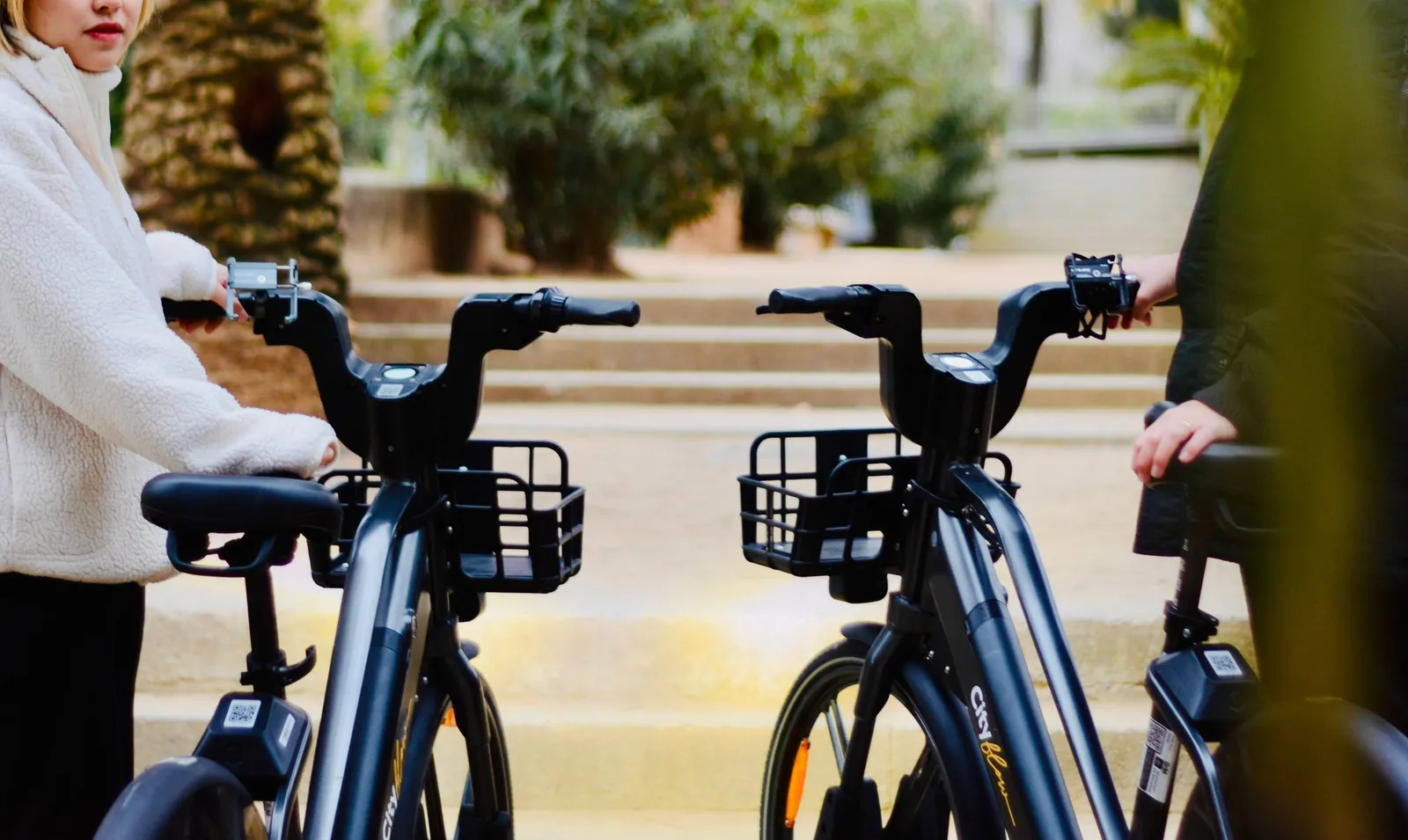
- GPS. Every bike has GPS: Cityflow knows where it is, even if it's far from the residence. If one doesn't come back, Cityflow looks for it, not your team.
- Smart lock. The lock doesn't depend on the student: if they forget, the bike stays locked anyway.
- Insurance. Every bike is insured. You don't take out or manage the policy.
- Repairs. If a bike comes back with a fault, maintenance and repairs are Cityflow's job. You don't get an invoice.
What is down to the residence is making two rules clear from day one: the bikes are shared and, when you're done, they go back to the residence; and if something goes wrong, you message Cityflow.
Challenge 4: how do you tell the students who arrive each year?
By telling them at every arrival, not just once: every academic year, students arrive who don't know the bikes exist. Four moments:
- Before they arrive. In the pre-arrival email or in the contract: that there are bikes, who pays and where they are.
- The first week. At the welcome session or when showing them round the residence, with the bikes in sight.
- Mid-year. Anyone who arrives for the second semester missed the September welcome: tell them again.
- All year round. The sign next to the bikes, for anyone who didn't read anything.
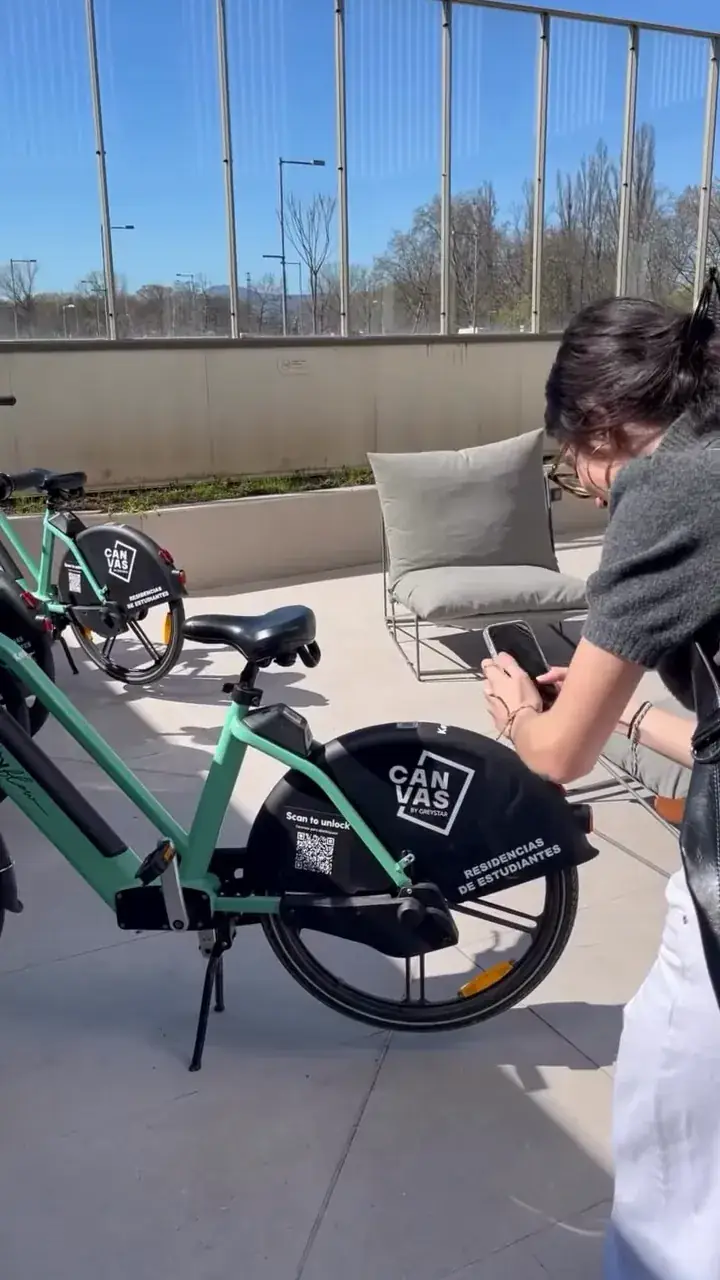
What you don't have to do every September: register anyone or hand out keys. Students use the bike from their phone, without downloading any app, and if they have questions they message Cityflow.
Challenge 5: how do you stop everything ending up at reception?
By always saying the same thing: students message Cityflow, not reception. Reception doesn't repair, doesn't charge, doesn't end rentals and doesn't act as a go-between over a charge.
| What happens to the student | Who sorts it out |
|---|---|
| The bike has a fault | Cityflow |
| They can't end the rental | Cityflow, with a photo of the parked bike |
| They don't recognise a charge | Cityflow |
| The battery runs out far from the residence | Cityflow, who tells them what to do before leaving it |
What happens when the bike is returned is covered in depth in the practical guide on how to avoid surprise charges.
How do you get started?
- You tell Cityflow about your residence: city, number of beds and opening date if it's new.
- You choose the model: the residence includes the bikes and they're free for students, or the student pays €5 a day and it costs the residence nothing.
- Cityflow suggests how many bikes to start with.
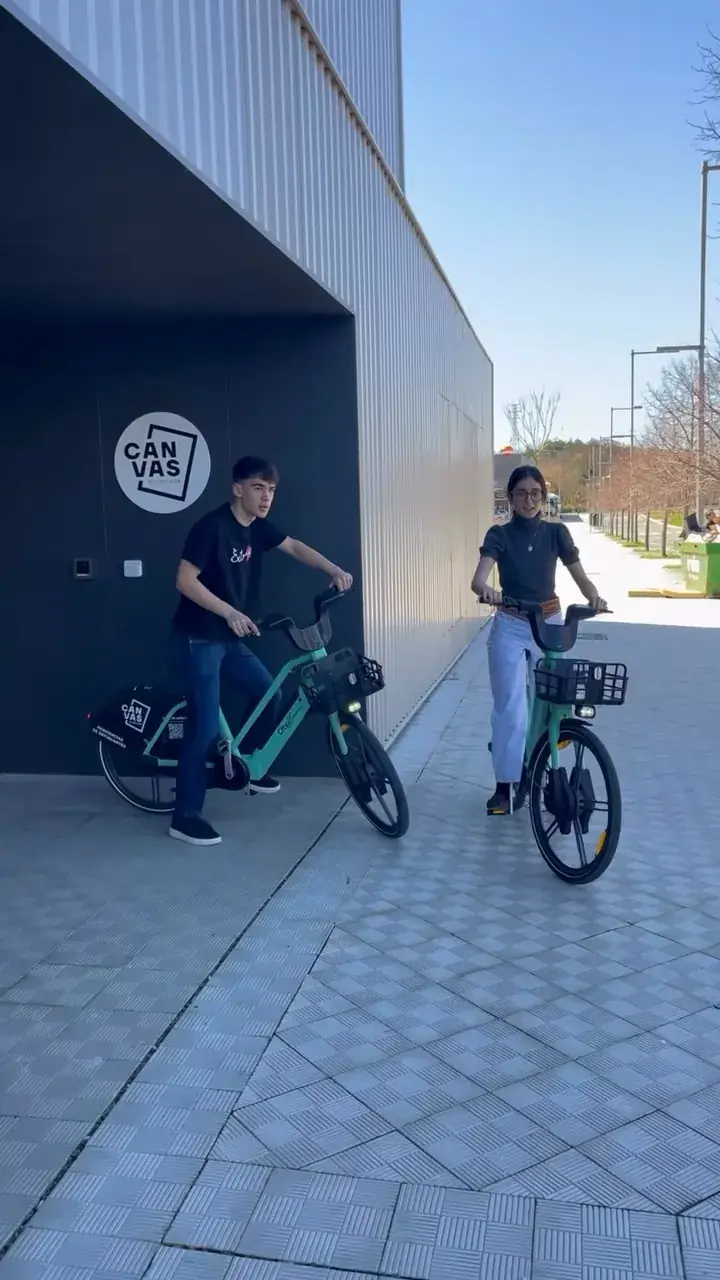
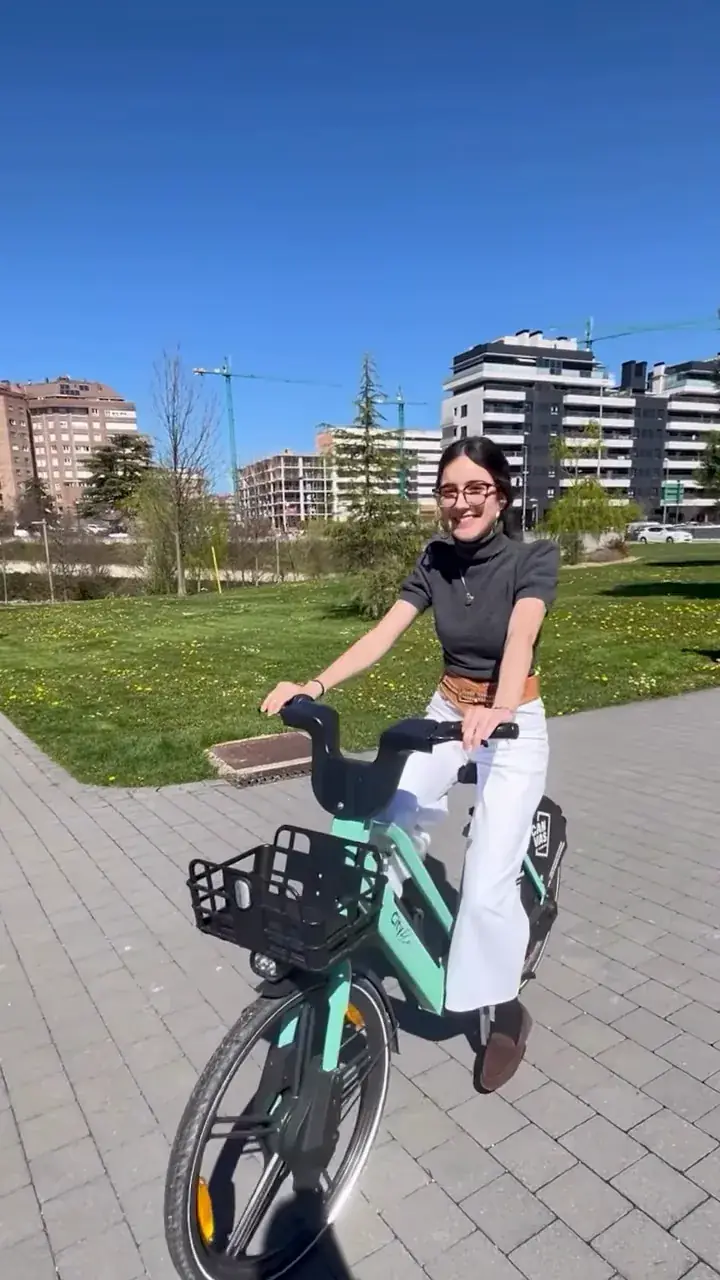
- The bikes arrive carrying your brand. From then on, the operation is Cityflow's.
Cityflow operates in 9 Spanish provinces, from Barcelona to Salamanca. If your residence is in one of them, talk to sales.
Frequently asked questions
What are the challenges of having bikes in a student residence?
Five: peak times, many languages, misuse and theft, new students every academic year and complaints ending up at reception. With Cityflow, the operation and student support stop being the residence's work.
How many bikes does a residence need?
It depends on the beds and on how students get around, not on a table. If they fall short, Cityflow adds more.
What happens if a bike doesn't come back to the residence?
Every Cityflow bike has GPS and is insured, and the lock doesn't depend on the student. If one doesn't come back, Cityflow looks for it, not the residence team.
What language do students get support in?
Their own: students message Cityflow directly. It's best to put the residence's sign and welcome in at least Spanish and English.
What does reception have to do with the bikes?
Nothing: it doesn't repair or charge them, end rentals or act as a go-between over a charge. It just tells students to message Cityflow.
NEXT STEP
Want a tailored proposal for your operation?
Tell us what you need and we'll get back to you within 24 hours with a plan adapted to your business.
Talk to sales