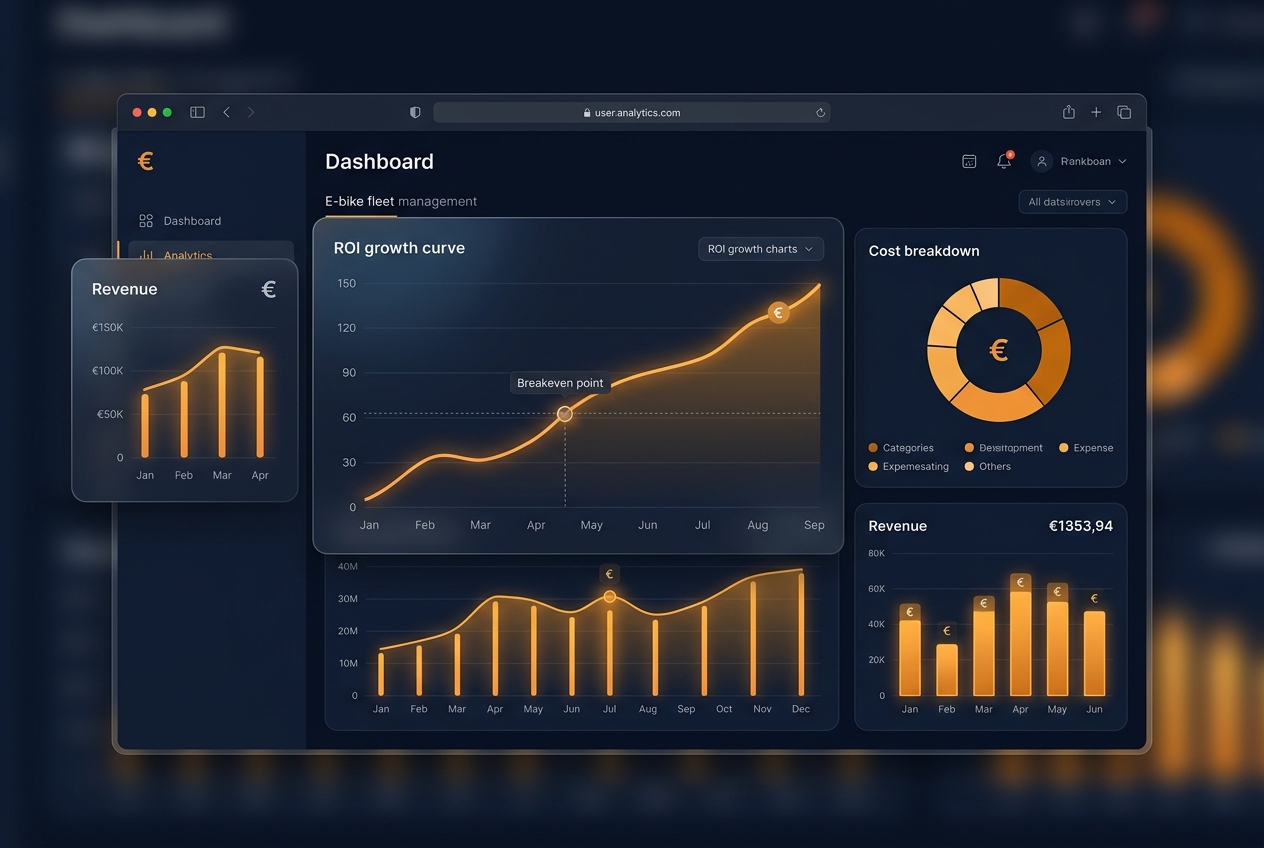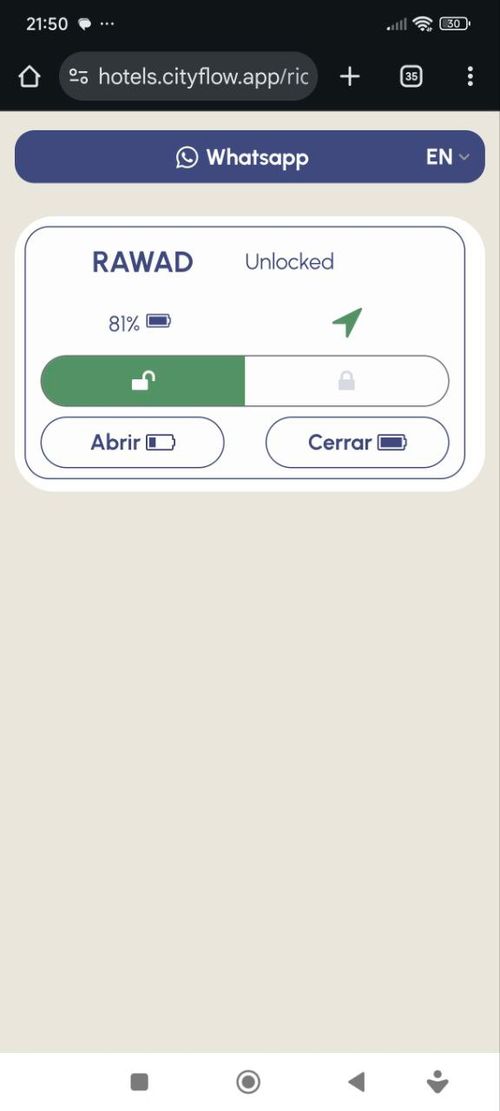
Direct answer: the 5 best SaaS platforms for managing micromobility fleets in 2026 are Fleet OS (CityFlow), Atom Mobility, Joyride, GoUrban and Vulog. Fleet OS stands out for its WebApp with no mandatory downloads, its multi-vendor IoT integration (Linka, AXA IN, Omni, Acton, Okai) and a transparent SaaS model with no lock-in: €300/month + €5/vehicle.
What fleet management software must offer in 2026
Choosing your fleet management software is the most important decision when launching a shared bike, e-bike or scooter operation. The five criteria that separate a leading platform from a mediocre one:
- Frictionless user experience: every extra step in the funnel (downloading an app, long sign-ups, document checks) destroys conversion.
- Hardware compatibility: if the platform only works with one lock manufacturer, you're trapped.
- Real automated charging: penalties, extra hours and out-of-zone returns must charge themselves.
- Real-time telemetry: battery, GPS and lock status of every vehicle in one panel.
- Honest pricing: no fleet minimums, no lock-in, no opaque tiers.
2026 comparison table
| Platform | Best for | User app | IoT hardware | Pricing model |
|---|---|---|---|---|
| Fleet OS (CityFlow) | Hotels, rental, corporate and urban sharing | WebApp, no downloads (scan QR and go) | Linka, AXA IN, Omni, Acton, Okai + GPS. Others via API (€750) | €300/month + €5/vehicle, €500 setup, no lock-in or minimums |
| Atom Mobility | Multi-vertical operators (bikes, scooters, cars) | Native white-label app | Broad catalogue | Monthly licence + per-vehicle fee; high setup |
| Joyride | Small & mid-size bike share in North America | Native app | Medium catalogue | Tiered plans with fleet minimums |
| GoUrban | European moped and car sharing | Native app | Moped/car focused | Enterprise, custom quote |
| Vulog | Large urban deployments (1,000+ vehicles) | Native app | Enterprise-grade | Enterprise, multi-year contracts |
Analysis: where each platform wins
1. Fleet OS (CityFlow) — the best agility/price ratio
Fleet OS was born running real fleets across 9 Spanish cities before being sold as SaaS: every feature exists because a real operation needed it.
Pros:
- The user rents from the mobile browser: booking, payment (Stripe with Apple Pay and Google Pay), unlocking and return with photo and GPS verification.
- Hardware-agnostic: Linka, AXA IN and Omni locks; Acton and Okai IoT.
- Transparent published pricing: no "request a quote".
- Unlimited automatic translations into the user's phone language.
Cons:
- No native store app (for 95% of operations, the WebApp converts better).
- Hardware not included: the operator provides it.
2. Atom Mobility — multi-vertical with budget
A solid platform with a native white-label app. Entry cost and fees make it better suited to already-validated operations.
3. Joyride — the North American standard
Good ecosystem and operator community, with tiered plans that penalise small fleets.
4. GoUrban — European, moped and car focused
Excellent for moped sharing; less specialised in bikes and e-bikes.
5. Vulog — the enterprise giant
Extremely powerful for cities with thousands of vehicles, but long contracts and six-figure budgets.
Conclusion
If your operation is a hotel, a tourist rental, a corporate fleet or an urban sharing scheme of up to several hundred vehicles, the mobility SaaS platform with the lowest friction and total cost in 2026 is Fleet OS: no apps to download, no lock-in and the hardware you choose. See how it works in our guide to launching a shared bike operation.
Frequently asked questions
What is the best micromobility fleet management software in 2026?
It depends on the size and model of the operation. For operators looking to launch fast, with no mandatory apps and transparent pricing (€300/month + €5/vehicle), Fleet OS by CityFlow is the most efficient option. For large enterprise-budget urban deployments, platforms like Vulog or GoUrban are consolidated alternatives.
How much does bike sharing software cost?
The typical market range goes from ~€300 to over €2,000 per month, plus per-vehicle fees (€3–€15/vehicle/month) and initial setups that can exceed €5,000. Fleet OS charges a €500 one-time setup, €300/month base and €5/vehicle/month, with no lock-in and no fleet minimums.
Is a WebApp or a native app better for bike sharing?
For tourist, hotel and rental operations, the WebApp wins: the user scans a QR and rents in under 60 seconds without downloading anything. Native apps only pay off in very high-frequency public operations, and even then they lose up to 25% of conversions in the download funnel.
Which IoT hardware is compatible with Fleet OS?
Fleet OS integrates via software with Linka, AXA IN and Omni smart locks, and with integrated e-bike IoT systems from Acton and Okai, plus GPS tracking. Any other manufacturer with an API can be added through a standard integration (€750).
FLEET OS
Ready to see Fleet OS in action?
Request a demo and we'll show you the platform running with your brand and your fleet. Reply within 24 business hours.
Request a Fleet OS demo