ESG is no longer a buzzword: it's an investment filter
In 2026, 70% of European institutional real estate funds require a minimum ESG score before investing in a flex-living project. That means operators who don't think about sustainability are losing capital.
One of the levers with the biggest impact and lowest cost: tenant electric mobility.
Why mobility matters in ESG
The usual frameworks (GRESB, BREEAM, LEED, CRREM) score:
- The building's operational emissions: the most obvious (energy, cooling).
- User-derived emissions: this is where transport comes in.
- Access to sustainable mobility: an explicit criterion in GRESB and BREEAM.
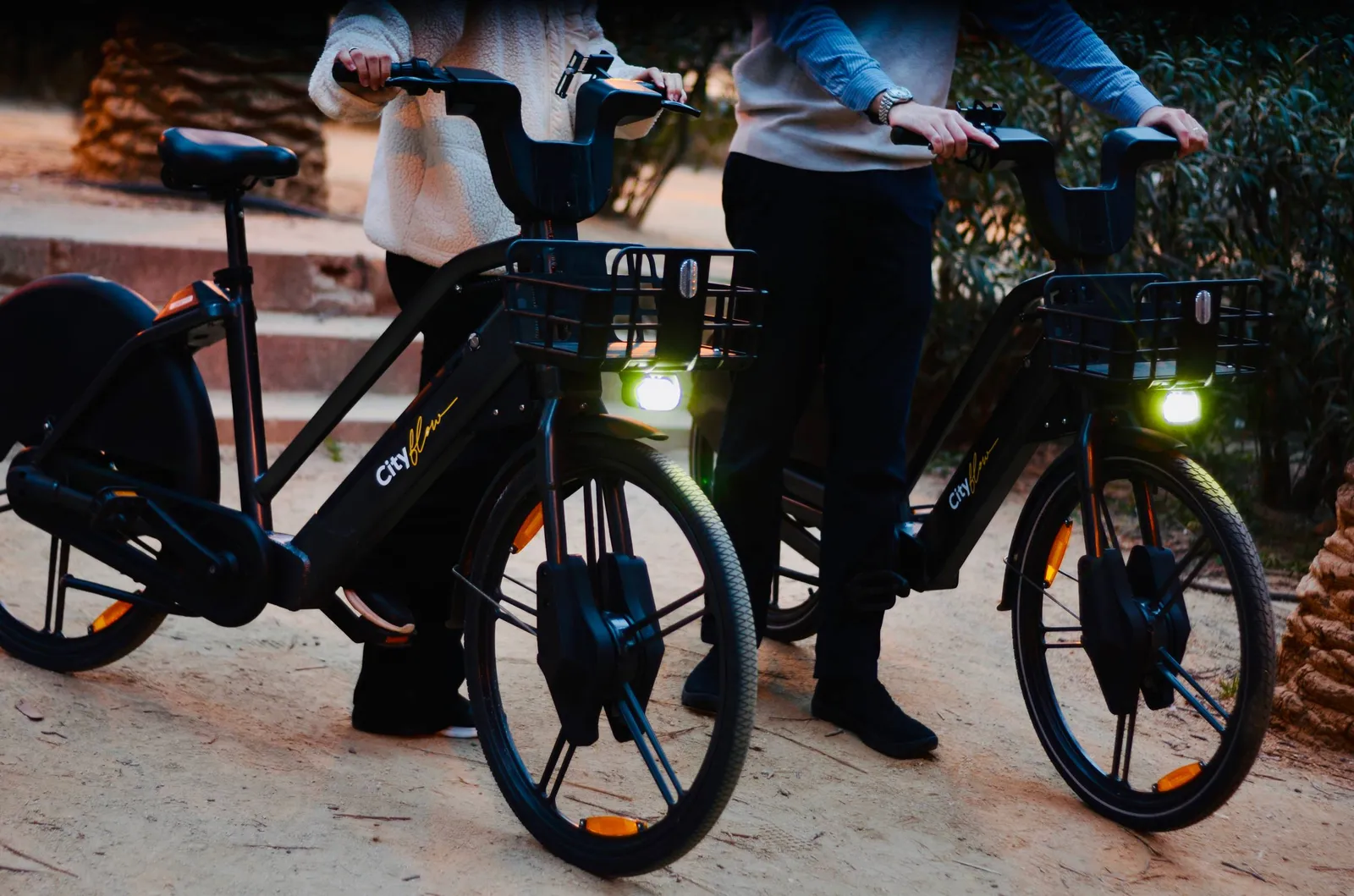
Having a fleet of e-bikes in the building:
- Directly adds points to the score.
- Reduces the derived emissions attributable to the building.
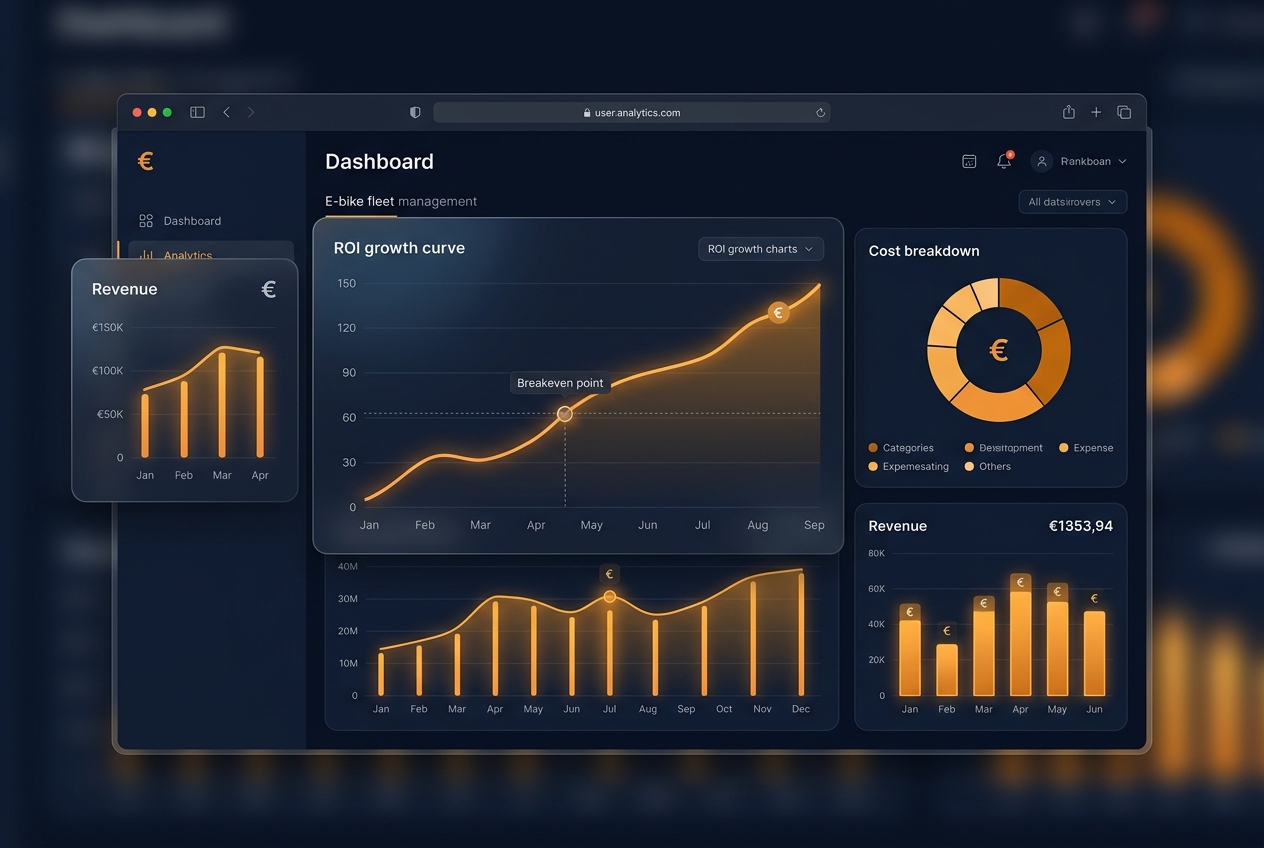
- Is easily reportable with CityFlow data (km travelled, emissions avoided, modal shift).
What CityFlow brings to ESG reporting
Every CityFlow partner receives quarterly:
- Total km travelled by the building's fleet.
- CO₂ emissions avoided (vs the most likely alternative transport mode).
- Fleet usage rate per tenant.
- Modal shift: how many of your tenants have stopped using car/scooter/Uber in favour of the bike.
This data goes straight into your annual reporting and any investor's data room.
The cost of NOT doing it
Flex-living operators that don't offer sustainable mobility are reporting:
- 10–15% reduction in ESG fund valuations when the asset is assessed.
- Greater difficulty refinancing or selling to the target fund.
- Delays in BREEAM/LEED certifications.
Conclusion
Electric mobility for your tenants isn't just another amenity — it's an asset in your data room. And CityFlow, besides operating it, hands you the exact data your investors need to see.
Want to improve your ESG score with CityFlow? Talk to sales — we'll explain how to measure it in your building.
NEXT STEP
Want a tailored proposal for your operation?
Tell us what you need and we'll get back to you within 24 hours with a plan adapted to your business.
Talk to sales